
Michigan School Accountability: A Closer Look at the Evolving School Index
The Michigan School Index has long been a focal point for gauging the performance of public K-12 institutions across the state. Recently, trends have shifted—with fewer schools overall on the state-mandated watchlist—yet a significant number have also been newly added to the list based on metrics such as proficiency rates and graduation figures. This opinion editorial explores the state’s evolving framework, the tricky parts of measuring educational performance, and what these changes mean for students, educators, and local communities.
Understanding the State’s Performance Metrics and Oversight
At its core, the Michigan School Index is designed to act as an accountability tool, shining a light on schools that fall in the bottom 5% for overall performance or specific indicators. Schools assigned to the “comprehensive support and improvement” (CSI) category face state oversight due to issues like low proficiency on statewide tests and disappointing graduation rates. Meanwhile, institutions singled out for “additional support and improvement” (ASI) or “targeted support and improvement” (TSI) are noted for underperformance in specific student subgroups.
This oversight isn’t arbitrary. The index considers several factors, including overall index scores (ranging from 0 to 100), student improvement in statewide assessments, growth rates in particular subject areas, and overall school quality. What emerges is a grading system intended to isolate those schools that need extra help, with ongoing shifts that are as dynamic as they are reflective of broader educational trends.
Tracking Trends Through the Years: A Historical Perspective
Historically, the number of schools under state watch has fluctuated. Under earlier accountability measures, many institutions were categorized as priority or focus schools. However, when Michigan shifted to its current index system during the 2016-17 school year, there was a substantial recalibration. For example, during that inaugural period of the new system, the state recorded 295 schools on the list. More recent years have seen a decline—even if modest prickles of concern remain.
Consider the following timeline, which outlines the month-by-month evolution of school classifications over the past several academic years:
| Academic Year | Number of Schools on the Watchlist |
|---|---|
| 2016-17 | 295 |
| 2017-18 | 276 |
| 2018-19 | 269 |
| 2019-20 | 263 |
| 2020-21 | 259 |
| 2021-22 | 461 |
| 2022-23 | 416 |
| 2023-24 | 380 |
| 2024-25 | 358 |
This timeline illustrates the fluctuations in the number of schools identified for extra support. While the overall numbers have decreased by more than 22% over the past few years, the addition of new schools—59 in the 2024-25 academic year alone—reveals that many districts continue to face the tangled issues inherent in statewide performance metrics.
Interpreting the Numbers: What Do They Really Mean?
The statistics themselves provide just a piece of the puzzle. For many stakeholders, the CSI designation is not merely a numeric label but a marker of deep challenges within a school’s academic and administrative framework. For example, among the 240 schools on the CSI list for 2024-25, 158 were repeat offenders still in need of help, while new additions numbered 59. Breaking it down further:
- 88 schools linger on the list because their composite index score remained below the 5% threshold.
- 20 schools have proven to be off-track because their graduation rates are below the minimum requirement.
- 71 schools fall into the category due to a combination of score issues and insufficient graduation rates.
- An additional breakdown indicates that 43 schools continued to struggle due to stagnant proficiency rates, while 16 more, previously in need of targeted support, are now on the CSI list because their proficiency scores have failed to improve.
These figures, though cold on the page, have a human face. Educators, students, and parents in these districts frequently confront intimidating bureaucratic hurdles. The situation is further compounded by a community’s reaction to public accountability: the watchlist label can foster both a stigma and an urgent drive to make pivotal improvements.
Local Perspectives: Community Impact and the Human Element
Local communities across Michigan have varying opinions about the school index system. While some appreciate the data-driven approach that sets clear standards and accountability measures, others argue that the system emphasizes test scores and graduation rates over the broader educational experience. Moreover, critics point out that the index may not fully catch all the subtle details of school improvement and student well-being.
Educators cope with many off-putting challenges: state oversight can sometimes mean increased administrative burdens and red tape that detract from classroom teaching. Parents and community activists, however, often view the system as a necessary tool to ensure that schools do not rest on their laurels. They argue that the CSI label is like a wake-up call, alerting everyone that improvements are desperately needed, particularly in schools that serve vulnerable populations.
This divergence of perspectives invites us all to take a closer look at the nature of these accountability measures. Is the current system striking the right balance between criticism and support? While the intent behind the regulations is certainly noble, some argue that they might be too rigid, not accommodating the nerve-racking and sometimes unpredictable twists and turns of real-life classroom challenges.
Addressing the Tricky Parts: The Challenges of Maintaining Educational Quality
The mission to uplift schools identified by the state is certainly full of complicated pieces. On one hand, systematic oversight is super important for ensuring that no educational institution slips through the cracks. On the other hand, the process of scoring and ranking schools remains a tangled set of issues where the fine shades of teaching quality, curriculum innovation, and community engagement might not be entirely captured by a mere index score.
The educational community constantly debates the effectiveness of tying improvements solely to data points like test scores. This approach, while effective in many ways, might oversimplify the real brainwork required to build a thriving learning environment. The human element—teacher motivation, parental involvement, community programs—is a significant factor that the index system can only hint at, not fully encapsulate.
Critics recommend that state accountability should also consider qualitative aspects of teaching and learning. They suggest that the additional, perhaps more subjective, components of school evaluations need to be on par with the numerical targets. Without this balance, the watchdog system risks undervaluing the internal factors propelling a school forward.
Digging into the Data: Classroom Success Versus State Evaluations
When the watchlist is announced, the focus is squarely on numbers: the percentage of students performing at a certain level, the rate of improvement from one year to the next, and graduation statistics. Yet, these statistics—while essential—do not always capture the fine points of a thriving classroom environment.
Consider these bullet points that showcase common classroom challenges:
- Teacher Retention: Districts on the watchlist often face higher teacher turnover, which disrupts classroom continuity and impacts student learning.
- Resource Allocation: Schools that falter on the index metrics might also struggle with obtaining the super important resources needed for program improvements.
- Student Engagement: Quantitative assessments can miss the nerve-racking efforts of teachers to make learning engaging and inclusive.
- Community Involvement: The level of parental and community support plays a crucial role in a school’s success, influencing both student morale and instructional quality.
It is clear that while the index provides a much-needed snapshot of educational performance, the overall picture extends well beyond these numbers. Districts in rural areas or under-resourced urban centers might be hit especially hard by the very same criteria that drive the index, leading to unintended consequences such as diminished community morale and resource reallocation that isn’t always beneficial.
Michigan’s Response to a Changing Educational Landscape
One of the state’s proudest achievements is its willingness to review and recalibrate performance metrics based on evolving educational needs. The drop in the overall number of schools on the watchlist by over 100 institutions in recent years could be seen as evidence that efforts to improve public education are bearing fruit. Yet, the addition of new CSI schools is a reminder that the work is far from complete.
Local school districts are continuously adapting. Many are actively engaged in strategies designed to figure a path through the maze of state accountability. These strategies include:
- Adopting new instructional technologies aimed at making learning more interactive
- Developing alternative educational programs to better support students who are not thriving in traditional settings
- Enhancing professional development initiatives to ensure teachers can effectively address the hidden complexities of modern classroom challenges
- Strengthening community and parental involvement programs to build a robust network of support around each school
The move towards increasingly targeted interventions is praise-worthy, yet it carries with it the inherent challenge of ensuring that such changes do not lead to an overemphasis on standardized test outcomes.
Examining the List: Who Are the New CSI Schools?
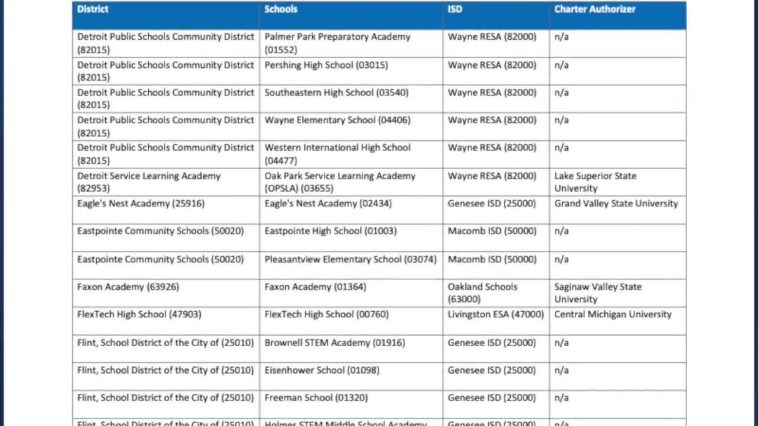
The newly added schools on the CSI list paint a diverse picture of the challenges facing Michigan’s education system. From urban centers like Flint and Detroit to smaller communities across the state, a variety of institutions have been singled out for needing extra help. For instance, schools such as Bay-Arenac Community High School and Flint Southwestern Classical Academy are among many that now face state oversight.
While a full listing of names can sometimes feel overwhelming, what is important is the underlying message: the addition of these schools to the CSI list is intended not to shame, but to spark critical interventions and innovative support strategies. Here is a summary of the types of institutions affected:
- Community High Schools: These schools often serve as the central hubs of education in smaller towns and contract with community resources to bolster their academic programs.
- Virtual Learning Programs: With the increasing popularity of online education, some virtual academies have also found themselves struggling under the traditional performance metrics set for brick-and-mortar schools.
- Alternative Education Centers: Institutions that cater to students with unique academic or behavioral needs often face complex bits of challenges in maintaining steady performance indicators.
- Specialized Programs: Programs aimed at fostering leadership, arts, or technical expertise are also included when their proficiency scores or graduation rates do not meet the required threshold.
This broad classification underscores the importance of flexible, adaptive strategies in addressing not just the numbers, but the real-world scenarios affecting each student and educator. While some schools may be on the list due to systemic issues, others may reflect temporary setbacks that, with the right support, could be quickly resolved.
Long-Term Implications: Education Policy and Community Trust
The adjustments to the school watchlist do more than just modify state oversight—they influence public trust, community engagement, and education policy at larger scales. When communities see a drop in the number of schools under supervision, they may feel encouraged that educational reforms are working. Conversely, the addition of new CSI schools can be a signal that more support is needed in places where communities struggle with limited resources.
These trends are an essential part of public discourse. For many local communities, state intervention means an infusion of extra resources, but it can also bring a sense of stigma that requires careful handling. Policymakers must be super important to strike a balance between accountability and empowerment. The goal is to ensure that the process of making your way through school improvement policies is seen as a collaborative and constructive effort, not a punitive measure.
As we ponder these changes, it is key to appreciate that such accountability measures, although occasionally overwhelming or intimidating, serve a critical role. They remind us that education is not just about scores and graduation numbers—it’s about providing every child with the robust support system needed to succeed.
State-Wide Initiatives: Policy Adjustments and Their Ripple Effects
Looking ahead, state and federal policymakers are increasingly aware of the need to integrate feedback from educators and community leaders into the index system. Adjustments are continuously being proposed that would factor in the nuanced differences between schools, recognizing that a one-size-fits-all approach can sometimes gloss over the subtle parts of each unique educational setting.
There are several dimensions to these proposed changes:
- Refining Performance Indicators: By integrating broader measures of student engagement and learning quality, the state could mitigate some of the nerve-racking side effects of an overly rigid focus on test scores and graduation rates.
- Enhanced Professional Development: Focusing on building teacher expertise in managing the unpredictable twists and turns of classroom challenges can be transformative for student outcomes.
- Community Collaboration Frameworks: Strengthening the partnerships between state agencies and local communities can help create a more complete roadmap toward successful interventions, ensuring that every stakeholder has a role in making education accessible and effective.
These proposed initiatives indicate a promising start to managing the complicated pieces of educational oversight in a way that respects both data-driven accountability and the sometimes unpredictable nature of teaching and learning. In doing so, policymakers hope to foster an environment where every school on the watchlist is seen as a work in progress rather than a final verdict on its quality.
Teacher and Administrator Perspectives: The Ground-Level Reality
From the viewpoint of teachers and administrators working in these environments, the CSI label can be both a nuisance and a catalyst for change. Many educators appreciate that the state’s focus on performance metrics brings additional resources and guidance. However, others caution that an overemphasis on standardized evaluations might overlook the small distinctions that define everyday classroom success.
Here are some of the fine shades of feedback provided by those on the front lines:
- Increased Scrutiny: Teachers worry that state oversight might lead to a nerve-racking increase in administrative tasks, which in turn could detract from the time available for lesson planning and student engagement.
- Rewarding Accountability: Some educators feel a sense of relief when support accompanies the CSI label, as it often comes with targeted intervention programs and professional development opportunities.
- Community Pressure: School leaders in affected districts are increasingly required to make your way through a labyrinth of expectations from both the state and local residents, a scenario that is filled with challenging bits and occasional bureaucratic red tape.
This blend of concerns and commendations highlights that while the data offers clarity on overall performance, the lived reality of educational success is measured far beyond numbers. The nuances of classroom dynamics, the soft skills required in teaching, and the deep-rooted community ties are critical factors believed to drive sustainable educational success.
Making a Path Forward: Balancing Accountability With Empowerment
How can Michigan’s education system find its way through these tangled issues? A balanced approach is needed—one that respects accountability while also recognizing the limits of quantitative assessment. This means accounting for both the metrics provided by the index and the human stories behind them. Educators, policymakers, and community activists must all work together to find your way through this complicated process and to build a system that rewards both improvement and innovation.
Several strategies must be considered to achieve this balance:
- Comprehensive Evaluation: Incorporate qualitative assessments that value teacher feedback, innovative classroom practices, and community programs alongside traditional metrics.
- Customized Support: Understand that each school’s challenges are unique. Oversight mechanisms should offer customized interventions that consider local conditions and the nerve-racking challenges of under-resourced districts.
- Transparent Communication: Maintain open channels of communication with all stakeholders. When parents and educators are kept in the loop, they are better able to cooperate in tackling the subtle parts of educational improvement.
- Fostering Resilience: Implement policies that build long-term resilience, against not only academic challenges but also workforce turnover and fluctuating community support.
These points underscore the necessity of balancing hard data with equally significant qualitative insights. Crafting policies that are simply about penalties versus rewards can miss the larger goal: facilitating an environment where every student and teacher has the opportunity to thrive.
Spotlight on Success: Schools Rising from the Watchlist
Even as new CSI schools are added each year, there are countless stories of triumphant turnaround. In many districts, persistent collaboration between educators, administrators, and community leaders has led to significant advancements in performance indicators. These schools serve as a reminder that while the process of state oversight may be intimidating, it also encourages a culture of continuous improvement and innovation.
Consider the following examples which illustrate the power of perseverance:
- Flint’s Renewal Efforts: Several Flint schools once grappled with deeply rooted educational challenges. Through partnerships with community organizations, targeted tutoring programs, and enhanced teacher training, some have managed to raise test scores and graduation rates, proving that even under challenging circumstances, progress is achievable.
- Detroit’s Community-Initiated Changes: In Detroit, community-led initiatives have injected fresh energy into classrooms. By integrating local mentorship programs and creative arts initiatives, educators have been able to address both the academic and personal growth of students.
- Suburban Collaborations: Across various suburban school districts, a shift toward personalized learning and investment in technological tools has allowed teachers to tailor instruction to individual student needs, turning around performance trends that previously placed these schools on the watchlist.
These successes are testament to the fact that state labels such as CSI do not define a school’s future. Rather, they signal the beginning of a journey—one that, with the right support and strategic planning, can eventually lead to significant regional improvements and, ultimately, a healthier educational system overall.
Looking Ahead: Policy Recommendations for a Brighter Future
As Michigan’s educational landscape continues evolving, policy decisions made today will have lasting effects on the future of K-12 public education. Given the state’s ongoing use of the school index as a key oversight tool, several recommendations emerge for future consideration:
- Enhanced Data Systems: Invest in systems that better capture the fine points of educational performance—beyond standardized test scores—to include teacher assessments, student feedback, and community involvement metrics.
- Holistic Support Models: Develop models that integrate academic, social, and emotional support for students. These models should consider the overwhelming challenges faced by disadvantaged communities and tailor interventions accordingly.
- Regular Policy Reviews: Set up regular review periods during which state policymakers, local educators, and community leaders can work together to reexamine and refine the accountability criteria. This ongoing dialogue will be super important in ensuring that policies remain agile and responsive to emerging needs.
- Resource Redistribution: Consider redistributing resources to areas most in need. Schools struggling with staffing shortages, outdated materials, or inadequate technology should be prioritized for additional funding and support.
Implementing these recommendations may seem like a nerve-racking undertaking, given the tangled issues and multiple layers of accountability. However, a determined effort to find your way through these challenges is essential if Michigan is to continue improving its educational outcomes in a sustainable way.
Community Trust and Collaboration: Connecting Policy with Practice
Policy adjustments on a state level have immediate and long-lasting effects on local communities. When the state and school districts work together transparently, parents and students not only understand the goals behind interventions—but are also empowered to participate in the process. This collaborative approach can transform what might initially appear as an off-putting state-imposed mandate into a community-centric effort to uplift educational standards.
The interface between state policy and the classroom environment is filled with subtle details that are easily overlooked if all the focus is just on the numbers. Many educators emphasize that trust is built over time through open communication channels and through efforts that recognize the small distinctions between schools that are struggling and those lifting themselves out of hardship.
For community members, this means that state oversight should be perceived not as a punitive measure, but as an opportunity for shared growth. When families see improvements over time, their faith in public education is restored—and a renewed sense of pride in local schools is generated.
Embracing Complexity: A Realistic Outlook on Michigan’s Education Future
While the current trends and statistics provide quantitative evidence of progress, they tell only part of the story. The real-life experiences of teachers, administrators, and students reveal even more about the challenging yet inspiring journey of education in Michigan. The road to educational excellence is undoubtedly full of intimidating twists and turns. Yet, every new challenge also brings with it a chance to get into the nitty-gritty, to figure a path through the maze, and ultimately to emerge stronger.
It is imperative that state regulators, school boards, and educators work together to embrace both the data and the human stories behind it. In doing so, Michigan can aspire to a future where every school benefits from enhanced support systems, where oversight becomes a beacon of hope rather than a label of failure, and where the collaborative spirit of community and educators drives meaningful, long-lasting progress.
Conclusion: Toward a Balanced and Inclusive Future in Education
In the final analysis, the Michigan School Index reflects more than just performance metrics; it symbolizes a commitment to accountability, progress, and ultimately, the well-being of Michigan’s students. As the state refines its approach to educational oversight, stakeholders from all walks of life must acknowledge both the effective measures and the nerve-racking challenges inherent in the process.
The evolving landscape of state accountability—marked by periodic rises and falls in watchlist numbers—calls for innovative solutions that blend quantitative data with qualitative insights. This balanced approach encourages ongoing dialogue between policymakers, educators, and community members, ensuring that every child receives the critical and comprehensive educational support they deserve.
While the journey ahead is full of complicated pieces and scattered hurdles, the opportunity to learn, adapt, and improve remains an inspiring testament to the enduring spirit of Michigan’s educational community. By working through the tricky parts, giving weight to the fine shades of individual student stories, and fostering a collaborative support network, Michigan stands poised not merely to correct its course, but to set a compelling example for states across the nation.
Ultimately, as we reflect on the mix of challenges and achievements laid out by the current school watchlist, we are reminded that progress is never linear. It is a journey marked by periodic setbacks and breakthrough moments alike. The CSI designation, along with indicators of ASI and TSI, should be seen as tools—tools with which educators and policymakers can build a more inclusive, supportive, and ultimately successful learning environment for all. This balanced vision is what will drive Michigan, and indeed the entire American public education system, into the future.
In this era of rapid change, the state’s commitment to accountability and excellence is a reminder that, despite the off-putting bureaucratic hurdles and the inevitable twists and turns, every effort counts in the pursuit of achieving educational success for every student. Let us use this as an opportunity to not only address immediate challenges but also to invest deeply in a future where every school, regardless of its past, finds the resources and the support it needs to shine.
As debates continue and policies evolve, the road ahead may be complex and sometimes overwhelming. However, in the spirit of shared purpose and collective improvement, it is essential to maintain a balanced perspective—one that recognizes both the hard data and the human experiences behind every classroom door. This is the path toward a revitalized education system that truly serves the needs of the next generation.
Originally Post From https://www.mlive.com/education/2025/11/is-your-school-on-a-michigan-watchlist-see-the-lowest-performing-k-12-schools.html
Read more about this topic at
Is your school on a Michigan watchlist? See the lowest …
Michigan’s Invasive Species Watch List