
Rethinking Accountability in Education: A Fresh Look at the LPSS Core Report
The Lafayette Parish School System (LPSS) has stirred conversation in education circles by introducing its very first Core Report. Announced during the 2025 State of the District Address by Superintendent Francis Touchet, Jr., the report is designed to measure school performance based on four foundational values: Growth, Opportunity, Culture, and Safety. This new approach is intended to provide a more complete picture of school effectiveness, taking into account not only academic scores but also the broader environment that shapes student success. In many ways, it represents an evolving framework in education accountability, one that seeks to capture the full range of influences on student outcomes.
By integrating metrics that span from academic performance to the everyday experiences of students, LPSS hopes to answer the community’s need for transparency and engagement. Instead of simply focusing on test results, the Core Report pays attention to the tricky parts—the subtle details and little twists that make up a vibrant school culture. It is a move that many parents, educators, and community leaders believe is both timely and necessary.
Understanding the Core Report: Beyond the Numbers
The Core Report is more than just another accountability measure. Traditional state evaluations have typically zoomed in on academic scores, especially those derived from state tests like the LEAP. However, LPSS’s new system recognizes that academic achievement, while important, is only one piece of a much larger puzzle. The report aims to offer a multidimensional view of school performance by including evaluations of student growth, the availability of opportunities, the overall school culture, and the sense of safety within the educational environment.
This comprehensive approach supports the idea that education involves a lot more than the classroom material—it extends into community values, support systems, and even the way extracurricular interactions shape a student’s life. Here’s a quick rundown of what the four key elements mean in this context:
- Growth: represented by academic and personal progress, capturing how students develop over time.
- Opportunity: measured by the access students have to various resources, advanced programs, and support initiatives.
- Culture: assessed through the everyday experiences that contribute to an overall positive and welcoming environment.
- Safety: evaluated by the measures schools have in place to ensure that every student feels secure while at school.
These areas are not isolated; they interact in ways that are sometimes tricky to measure but incredibly important for understanding the educational landscape in modern districts. The Core Report outlines a star rating system—from one to five—for each of these categories, and then computes an overall score as the average of the four values. This method, though sounding simple, helps clarify the status of each school in a digestible and actionable form.
Community Engagement and the Broader Impact on Education Policy
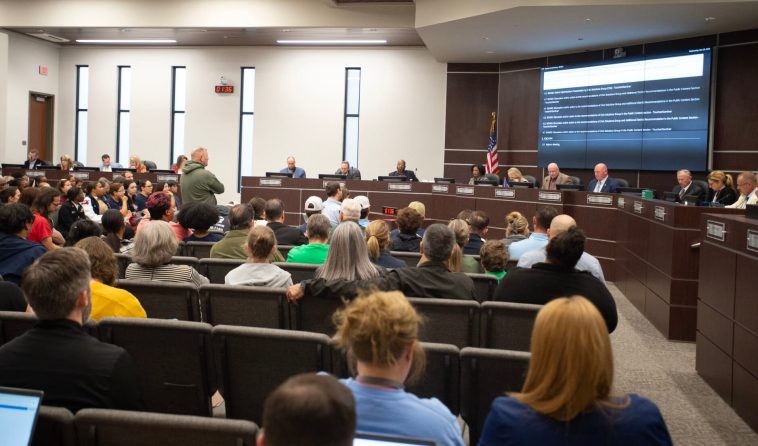
One of the strongest aspects of this initiative is the emphasis it places on community involvement. Superintendent Touchet repeatedly mentioned that community engagement is not just a nice-to-have but a super important element. In today’s complex world, parents and local stakeholders want to get into the nitty-gritty of what makes a school successful—and they want to be informed participants in the process. The LPSS Core Report is a tool designed to foster that connection.
Community consultation played a crucial role in shaping this framework. Seven advisory panels, composed of community members and educational experts, were instrumental in identifying the four core values. Their input ensures that the report reflects the priorities of those it is meant to serve. This collaborative approach emphasizes trust and transparency, creating a two-way dialogue between the district and the community. When the community feels involved in their local school system, they are better equipped to support educational initiatives and hold schools accountable for delivering high-quality learning environments.
The impact of a reporting system like this extends beyond the immediate performance figures. It has the potential to influence state and even federal education policies in the long run. LPSS’s pioneering model could serve as a blueprint for other districts looking to develop more balanced accountability practices that factor in academic as well as non-academic measures. By broadening the focus to include safety, culture, and opportunity, LPSS offers a refreshing perspective on how we define school success.
Looking Deeper into the Four Core Values
To truly understand the significance of the Core Report, it is essential to dive in and examine what each core value represents for LPSS and its community.
Student Growth: Tracking Academic and Personal Development
The growth component of the report focuses not just on test scores, but on the overall academic progression and personal development of students. While traditional accountability systems have heavily leaned on standardized test results, LPSS takes a broader view. The report aims to digest both short-term learning gains and long-term developmental milestones, ensuring that each school can pinpoint where improvements are needed.
This idea is far from off-putting when considering the many benefits. It recognizes that student growth is a layered process. For instance:
- Academic Milestones: Standardized scores and classroom assessments give a snapshot of academic performance over time.
- Social-Emotional Growth: Metrics in this area focus on resilience, teamwork, and communication skills.
- Personal Development: Beyond academics, personal challenges, ethical growth, and civic responsibility are evaluated as part of a well-rounded education.
This multi-layered approach gives parents and educators the tools needed to understand the full picture, steering clear of the common pitfalls that result from focusing on academic numbers alone.
Opportunities for Students: Enhancing Access to Resources and Programs
Opportunities within a school are not solely measured by the availability of advanced courses or extracurricular activities—they also include support for students facing unique challenges. By shining a light on opportunity, the Core Report acknowledges that every child deserves access to a wide range of resources. This component evaluates the extent of programs offered, such as early college initiatives and career centers, alongside specialized programs for students with additional needs, such as Gifted & Talented programs and STEM academies.
Here, the focus is on making sure that every student, from the youngest in early childhood education to seniors preparing for the workforce, has a fair shot at succeeding. Some elements that contribute to opportunity include:
- Access to advanced coursework and specialized training programs.
- Career guidance through dedicated centers and mentoring initiatives.
- Support systems for students who require additional academic or personal assistance.
By highlighting these factors, LPSS aims to address the undercurrents of inequality that may be loaded with issues. In doing so, they make sure that opportunities are equitably distributed across the district.
Culture Within Schools: Creating a Positive and Safe Environment
Schools must be safe havens where students feel secure, accepted, and ready to thrive. The culture element of the Core Report is aimed at assessing the everyday qualities that make up a school’s environment. This includes everything from the administration’s responsiveness to safety concerns to the overall atmosphere that fosters respect and inclusivity.
The report’s focus on culture is designed to bring to light the subtle details that contribute to school success. Some of these fine details include:
- Teacher-Student Relationships: The interpersonal connections that support learning and personal growth.
- Inclusivity Initiatives: Programs and policies that celebrate diversity and encourage equal participation from all students.
- Extracurricular Activities: Clubs, sports, and arts programs that build a well-rounded school experience.
By placing culture at the forefront, the LPSS Core Report digs into aspects that are often overshadowed by test scores. It is a recognition that a friendly and supportive school atmosphere is critical for nurturing well-rounded individuals.
Safety in Schools: Ensuring a Secure Learning Environment
No discussion on school performance would be complete without addressing safety. The safety measure within the Core Report reviews policies, infrastructure, and daily practices that help make schools secure for both students and staff. It involves evaluating the effectiveness of protocols in place to handle issues ranging from physical safety to mental health support.
Safety is not just about the absence of danger; it is also about creating an environment where students can learn without being weighed down by anxiety or fear. Key considerations include:
- Emergency preparedness and response plans.
- Anti-bullying measures and conflict resolution strategies.
- Staff training in managing crises and supporting students under stress.
This segment of the report reassures parents that the district is committed to providing an environment where children can learn and grow free from distractions or dangers. It is an essential piece that rounds out a comprehensive view of school quality.
Discovering the Advantages of a Holistic Accountability System
LPSS’s Core Report is part of a broader movement in education policy that seeks to measure success in a more balanced and holistic way. Traditional accountability systems have sometimes been too narrow, focusing primarily on subjects like mathematics and reading. By incorporating additional metrics, LPSS is better able to capture the many layers that contribute to student success.
This progression toward a comprehensive evaluation system brings with it several noteworthy advantages:
| Benefits | Description |
|---|---|
| Holistic Overview | Combines academic performance with safety, culture, and opportunities to create a well-rounded picture of school quality. |
| Community Transparency | Provides parents and community members with clear, accessible information about what schools are doing to support student growth. |
| Actionable Insights | Identifies both strengths and areas needing improvement, helping educators and administrators target interventions effectively. |
| Enhanced Accountability | Moves beyond simple test scores to hold schools accountable for offering a safe, nurturing, and opportunity-rich environment. |
| Policy Influence | Sets a precedent for other districts and potentially influences state and federal education policies in the future. |
The benefits of such a system are hard to overlook. By broadening the metrics used to evaluate performance, LPSS allows for a deeper understanding of what truly works in education. This is not merely a fancy report; it is a tool that can guide policy changes, resource allocation, and even community planning.
Addressing the Challenges: The Twists and Turns of Implementation
Implementing a system as layered as the Core Report is, admittedly, a nerve-racking process. There are several tricky parts and tangled issues that need to be addressed to ensure that the system delivers on its promise.
One of the biggest challenges is how to reliably measure elements like culture and safety. Unlike academic scores, these factors can be harder to quantify. Some of the key twists and turns include:
- Subjective Assessments: Some components of culture and opportunity are based on surveys and observations, which may be influenced by personal opinions and local biases.
- Resource Allocation: Ensuring that schools have the necessary resources to not only meet but also improve on these metrics requires careful planning and adjustment of district budgets.
- Consistency in Reporting: With nearly 30,000 students and over 4,000 employees in the district, maintaining consistency across the board is no small feat. Each school’s report must be standardized enough to allow comparison while still capturing context-specific details.
Despite these challenges, the benefits of this new system are compelling. Educational leaders in the district are convinced that the insights provided by the Core Report will ultimately lead to stronger, more adaptable schools—a hope shared by many parents and community stakeholders.
Community and Parental Involvement: Building Trust Through Transparency
Another pivotal aspect of the Core Report is its ability to build trust between the district and its community. When parents and local residents have a clear, accessible look into how schools are handling not just academics but also the safety and well-being of students, it makes them feel more connected and involved.
Superintendent Touchet has emphasized that the report is a joint effort—not just a tool for administrators but for everyone who has a stake in the educational process. Some strategies for enhancing community involvement include:
- Public Meetings: Regular town halls and community outreach programs where the findings of the Core Report are discussed openly.
- Easy Access to Data: Online portals and downloadable PDF reports allow families to poke around and get into the details at their leisure.
- Feedback Mechanisms: Systems that enable community members to offer feedback on the report’s findings and suggest areas for improvement.
This level of transparency is intended to make the district’s journey toward improved educational outcomes a shared endeavor. When students, parents, and educators work together, every school benefits from a stronger, safer, and more supportive learning environment.
Impact on Policy and Future Educational Trends
The LPSS Core Report could very well be a harbinger of changes in education policy both at the state and federal levels. Traditional accountability measures have often neglected areas outside of standardized testing, but the success of this report might prompt other districts to re-evaluate their assessment methods. The potential ripple effects of this initiative include:
- Statewide Reforms: If LPSS demonstrates that a holistic accountability system leads to improved educational outcomes, state departments of education might consider similar reforms statewide.
- Increased Funding for Holistic Measures: As opportunities, culture, and safety become increasingly valued metrics, it is likely that funding models will shift to support these non-academic areas.
- Professional Development: Teachers and administrators may receive additional training to address the fine points of creating an environment that fosters not just academics but overall student well-being.
These changes could lead to an era where education is not merely about passing tests but about nurturing well-rounded individuals who are prepared for the unpredictable twists and turns of modern life. By providing a blueprint for more balanced accountability, the LPSS Core Report may encourage a shift toward policies that value every aspect of a student’s development.
Challenges and Considerations in Reporting Non-Academic Metrics
One of the complexities of the LPSS Core Report lies in how non-academic metrics are gathered, interpreted, and acted upon. There are inherent challenges in quantifying areas that are by nature less tangible, yet these are precisely the aspects that many believe are key to understanding student progress.
Some of the nerve-racking and confusing bits include:
- Defining Metrics for Culture and Safety: Unlike test scores, it is not always straightforward to assign numbers to the quality of school culture or the efficacy of safety measures.
- Balancing Quantitative and Qualitative Data: Schools must find ways to merge hard data with qualitative surveys and feedback, ensuring that no important subtle detail is overlooked.
- Adapting to Changing Community Needs: The priorities identified by the advisory panels were based on current needs, but as those needs evolve, the report must also adapt to incorporate new values or modify existing ones.
Despite these challenges, schools are steadily adapting their approaches. District leaders are working to figure a path that consistently and clearly communicates school performance. This ongoing dialogue between data collectors, educators, and community members is essential for the system’s long-term success.
Strategies for Continuous Improvement and Adaptation
The introduction of the Core Report is not intended as a one-time fix but as a living, evolving tool for positive change. As educators, administrators, and policymakers take a closer look at the outcomes over the coming years, they can spot areas where further tweaks are needed. Some strategies for continuous improvement include:
- Regular Feedback Loops: Institutions can institute quarterly reviews and annual community feedback sessions to ensure the report remains aligned with stakeholder needs.
- Tailored Professional Development: Targeted training programs can help educators better understand and act on the star rating system, enabling them to improve specific weak areas.
- Enhanced Data Collection Methods: As technology evolves, so too can the methods for gathering both quantitative and qualitative data, leading to more accurate and actionable reports.
In this way, the LPSS Core Report becomes more than just a static document—it is a dynamic roadmap. As policies and community needs shift, the report can be updated to reflect the latest insights, ensuring that it continues to serve as an essential guide for shaping a better educational environment.
Building a Future-Oriented Educational System
The new Core Report is a key step in moving toward a future-focused educational system. By taking into account factors beyond traditional test scores, LPSS is working to create schools that support every aspect of student life—from academic excellence to social well-being. This forward-thinking approach is particularly important in a time when education must adapt to rapid societal and technological changes.
In supporting a well-rounded agenda, the district has to contend with a number of intricate pieces that may seem overwhelming at first glance. However, it is clear that by acknowledging the fine details and the hidden complexities, LPSS is paving the way for a more inclusive and supportive school environment, one that benefits every student, parent, and community member alike.
Facing the Future: Community, Transparency, and Adaptability
As LPSS embarks on this new chapter, the district’s commitment to transparency and accountability stands as a model for others. By focusing on a wide array of values and metrics, the school system shows that education is not static but a continuously evolving process. This change is welcomed by those in the community who have long called for a system that recognizes the full spectrum of challenges—and opportunities—that shape a child’s educational journey.
Parents, educators, and community stakeholders alike can take heart in the knowledge that measures are in place to ensure schools are safe, dynamic, and responsive to the needs of the modern world. Through robust reporting, clear communication, and ongoing dialogue, LPSS is determined to build on its successes and address any shortcomings head-on.
The Role of Data in Informing Educational Reforms
One cannot underestimate the power of data when it comes to shaping educational policies that work. The LPSS Core Report is poised to serve not only as an accountability measure but also as a repository of insights that can help drive future reforms at every level. With an emphasis on both numerical ratings and qualitative feedback, decision-makers can get into the small distinctions that set one school apart from another.
The integration of data into the policy process is an essential step in working through the tricky parts of educational reform. Here are some ways in which data is being used to guide improvements:
- Identifying Trends: Continuous data collection helps to pinpoint both successes and areas needing greater focus. This trend analysis is critical in making timely adjustments.
- Resource Distribution: Data can inform how resources are allocated, ensuring that funds and support are directed to schools that need them most.
- Benchmarking Success: By comparing star ratings and other metrics across schools, administrators can set realistic benchmarks for future growth and improvement.
Ultimately, the way in which data is used and shared within LPSS will play a pivotal role in the district’s ongoing success. As other districts take note of this comprehensive approach, it is likely that similar methods will begin to influence policy on a broader scale.
Looking Ahead: Embracing a Comprehensive Vision of Success
The introduction of the LPSS Core Report marks a significant turning point in how we evaluate and understand educational performance. It is a recognition that the true measure of a school is not limited to academic test scores but extends to every facet of the student experience—from feeling safe at school to having access to a wide array of opportunities.
As our society continues to evolve, so do the expectations placed on educational institutions. Embracing a broad-minded approach means accepting the twists and turns of implementation as necessary steps in an ongoing process to improve the learning environment. The Core Report is designed to spark a dialogue—one that encourages stakeholders to take a closer look at how every piece of the educational puzzle fits together.
By fostering open channels for feedback, encouraging transparency, and continually refining the evaluation process, LPSS is setting the stage for an educational system that is both resilient and responsive. This is a future in which students are prepared not only academically but also emotionally and socially for the challenges of an unpredictable world.
Conclusion: A Bold Move Toward Holistic Education
In conclusion, the LPSS Core Report is a bold and innovative shift in educational accountability. By combining the academic with the everyday experiences of students, the report not only paints a richer picture of school performance but also responds directly to the community’s calls for transparency and involvement. As educators, parents, and local stakeholders work together to steer through these changes, the report serves as a reminder that education is about cultivating well-rounded individuals ready to engage with a complex world.
If successful, this model could influence educational practices far beyond Lafayette Parish, potentially reshaping how state and federal policy view holistic development in schools. As the district continues to adapt and refine this system, it is crucial that all stakeholders—schools, policymakers, and most importantly, the community—remain engaged. By doing so, we can ensure that every twist, turn, and subtle detail in the journey toward excellence is acknowledged and addressed.
With every progress report issued and every star rating analyzed, the LPSS Core Report will guide us in making informed decisions that prepare our young people not just to excel in tests, but to thrive in life. In a world that is constantly changing, this adaptive and inclusive approach to education is not just a nice idea—it is a must-have strategy for sustaining excellence in schools today and tomorrow.
Originally Post From https://www.lpssonline.com/news/1814555/lafayette-parish-school-system-unveils-first-ever-core-report
Read more about this topic at
Holistic Accountability: Serving Students, Schools, and …
Holistic Accountability