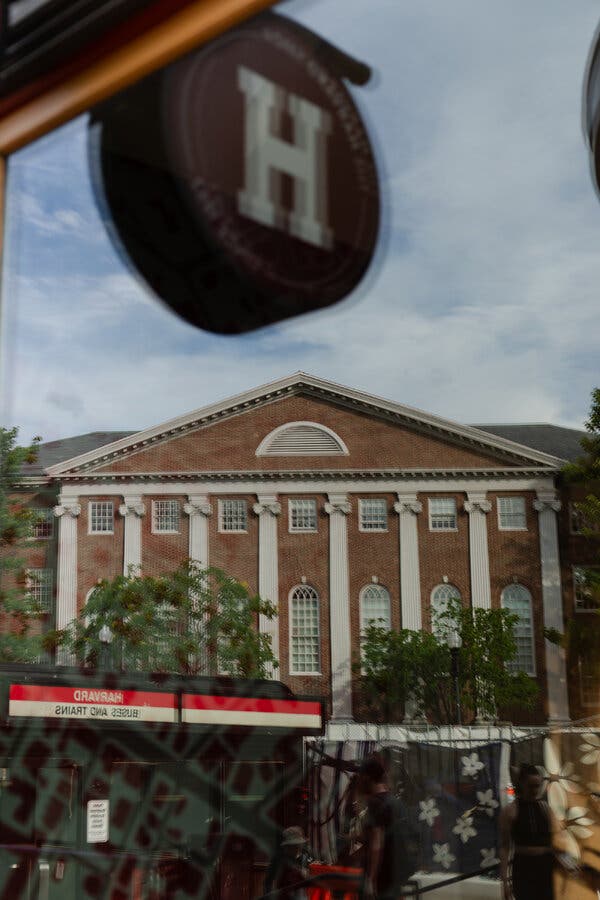

Evaluating the Trump Administration’s Intensified Pressure on Harvard
The recent actions taken by the Trump administration against Harvard University have set off a series of events that are as intimidating as they are confusing. This op-ed examines the tug-of-war between federal agencies and one of America’s oldest and most respected institutions, seeking to understand the fine points of the dispute and the implications for higher education. In this discussion, we will dig into the federal subpoenas for international student data, the accreditation challenges related to civil rights concerns, and the broader battle over federal involvement in academic affairs.
A Tangled Tale of Federal Oversight and Institutional Freedom
At its core, the current confrontation between the federal government and Harvard isn’t just about data requests or accreditation. It represents a deeper, more tangled issue: the balance between ensuring civil rights and preserving the independence of higher education institutions. On one hand, federal agencies are keen to ensure that universities both protect student rights and adhere to public accountability. On the other, these moves are seen by many as a nerve-racking intrusion into how colleges manage their own affairs.
The Department of Homeland Security’s decision to issue administrative subpoenas for Harvard’s international student data has raised considerable concern. The aim, as stated by the government, is to secure information that might provide insight into federal policies on admissions and campus safety. However, many critics argue that the moves are overreaching and hit at the heart of institutional autonomy.
International Student Data Subpoenas: Digging Into the Data Privacy Debate
The request for detailed data on Harvard’s international students touches on a host of confusing bits related to data privacy, civil rights, and even national security. This isn’t simply about collecting data—it’s about how much access federal authorities should have to student records and the potential consequences this may have on the future of academic freedom.
The subpoenas demand sensitive personal information, raising questions regarding the protection of individual privacy in academic settings. Data privacy has become a hot topic in our digitized world, where cookies, tracking mechanisms, and data aggregation play critical roles both online and offline. When the government calls for such data, it steps into a space that is already loaded with issues, many of which are seen as potential threats to personal freedoms.
Critics say that if the government can demand student records at a prestigious university like Harvard, it might not stop there. They worry that this could set a precedent for more invasive requests in the future, affecting institutions across the board. In today’s world of advanced data analytics and far-reaching governmental oversight, this is a matter that is both essential and, to some, off-putting.
Accreditation Challenges: The Nitty-Gritty of Higher Education Regulations
The accreditation challenge brought forward by the Departments of Education and Health and Human Services adds another layer to this complex dispute. The federal government’s concern centers on allegations that Harvard failed to adequately address what it described as antisemitic harassment on campus. According to the administration, this alleged inaction violates federal civil rights laws and puts the university’s accreditation—and by extension, the financial aid eligibility of its students—at risk.
This situation has led to a nerve-racking debate about how colleges should handle campus discrimination while ensuring compliance with both internal policies and federal standards. Accreditation is a must-have for any higher education institution since it validates the quality of education provided and ensures that students can access essential federal student aid programs. Challenging accreditation is not a light matter—it strikes at the very core of an institution’s operation and reputation.
In many ways, the issue highlights the little twists in federal oversight and the responsibilities of academic institutions. While universities must offer safe, inclusive environments for all students, government mandates on this issue can sometimes feel like intrusive policing. As federal agencies step in, the college must balance the protection of student rights with maintaining an independent administrative process—a tricky part of modern education management.
Balancing Civil Rights and Academic Freedom: The Hidden Complexities
There is no denying that protecting civil rights on campus is super important. Every student deserves a safe and welcoming learning space, free from discrimination and harassment. However, the current situation at Harvard brings up the hidden complexities of ensuring these rights while also preserving the traditional academic freedoms that have long been the cornerstone of American higher education.
The actions by the Trump administration—whether it’s the data subpoenas or the accreditation challenge—emphasize a period loaded with tension, where every move is watched closely. Some argue that the government’s efforts to enforce stricter standards may help curb discriminatory practices on campuses nationwide, providing a model for other institutions. Others contend that such interventions interfere with the ability of universities to manage their internal affairs and adapt to rapidly changing social issues on their own terms.
This debate is characterized by small distinctions in interpretation, where what is seen as necessary oversight by one party may be viewed as a heavy-handed imposition by another. In an era where academic freedom is often under threat by various external forces, determining where to draw the line between necessary intervention and unwanted interference remains a daunting challenge.
Historical Context: How We Got Here
To fully understand the present situation, it is useful to take a closer look at the long evolution of federal involvement in educational institutions. Historically, the federal government has played a role in shaping higher education through funding mandates, civil rights interventions, and sometimes through more direct oversight. This history is filled with moments where the federal authority either stepped up to correct serious wrongs or overstepped in ways that were met with strong resistance.
Many educators recall a time when debates over federal oversight focused on financial support for schools or on the principle of equal opportunities. Today’s issues, however, are layered with additional complications including data privacy, digital surveillance, and the evolving understanding of harassment and discrimination. This blend of old challenges and new technological developments creates a situation that is both full of problems and full of potential for positive change.
As the federal government and educational institutions try to figure a path through these tricky parts, it remains clear that a balance must be struck between safeguarding the rights of students and professors alike while allowing universities the freedom to innovate, educate, and debate.
Dissecting the Legal and Policy Implications
From a policy perspective, the subpoena of international student data and the challenge to accreditation raise a number of complicated pieces that policymakers must address. Among these are the legal limits of governmental power over private institutions, and the implications of such actions on the broader higher education landscape.
Some of the most pressing legal questions include:
- What constitutes a breach of federal civil rights law on a college campus?
- How far can the government extend its oversight without infringing on institutional self-governance?
- At what point does a measure intended to safeguard civil rights begin to hinder academic freedom?
- How does the requirement for accreditation factor into ensuring compliance without compromising educational integrity?
The answers to these questions are not straightforward. They involve a careful balancing of interests: protecting vulnerable populations and ensuring fairness, while simultaneously allowing academic institutions the space to manage their own policies. This balance is at the heart of an ongoing dialogue between educators, policymakers, and legal experts, all of whom are trying to work through the somewhat tangled issues that define the current controversy.
The Department of Homeland Security’s Role in the Debate
The involvement of the Department of Homeland Security in demanding international student data can be seen as part of a broader governmental effort to enhance national security while also enforcing federal policies. The DHS argues that access to this data is essential for monitoring trends that might influence national security and immigration policy. However, the specifics of this data request, and the manner in which it is delivered to Harvard, have left many questioning whether the benefits outweigh the potential costs to student privacy.
This action brings to mind discussions about balancing security concerns with individual rights—a topic that has been rife with tension since the advent of modern surveillance technologies. The interplay between protecting a nation and preserving personal freedom is a small distinction that often makes the difference in policy debates. For some, the DHS’s role is critical and super important for national stability; for others, it represents an intimidating overreach into the private lives of students, mingling national security with academic administration in a way that has never been fully tested before.
The Role of Accreditation in Higher Education Integrity
Accreditation, as a process, has always been a fundamental element in maintaining the quality and recognition of higher education institutions. It ensures that colleges offer a standard of education that meets the expectations of students, employers, and the public at large. When the government raises issues that challenge an institution’s accreditation, it does so by questioning whether the school is upholding all the responsibilities expected of it.
In Harvard’s case, the challenge is rooted in allegations of not addressing harassment sufficiently on campus. The federal authorities argue that this failure might compromise the university’s ability to provide a safe environment. However, it is a nerve-racking predicament for Harvard, as any threat to accreditation has far-reaching consequences—not only for the institution’s reputation but also for the financial viability of its students who rely on federal aid for their education.
This situation underscores the fine shades of oversight where academic integrity and civil rights meet. The issue involves both the visible and the subtle details of policy implementation, leaving many to wonder how universities can steer through these waters without sacrificing their autonomy.
Impacts on International Students and Campus Diversity
One of the most immediate impacts of the federal data subpoenas is on Harvard’s international student community. International students are often seen as a key component of a diverse and vibrant academic environment. Their presence not only enriches the campus experience but also strengthens global ties and promotes mutual understanding among different cultures.
However, when the government targets international student data, it may inadvertently create an environment of suspicion and uncertainty among these students. If international student records become tools in federal oversight, concerns about privacy and future repercussions may grow. This could potentially deter talented students from applying to U.S. institutions, thus undermining the diversity that colleges like Harvard strive to achieve.
The broader higher education community must take careful note of this potential effect. As federal agencies continue to update their policies in response to evolving challenges, they must do so with a keen awareness that measures designed to strengthen national rhetoric may also weaken the global appeal of American higher education institutions.
Comparative Perspectives: How Other Institutions Are Coping
While Harvard is certainly in the spotlight, it is not the only institution grappling with these issues. Various colleges and universities across the nation are watching this drama unfold, cognizant of the fact that similar federal actions could soon affect them as well. Many institutions are already trying to figure a path towards greater transparency in campus policies and more robust measures against harassment and discrimination.
For instance, some campuses have taken proactive steps by:
- Implementing enhanced training programs for staff and faculty on diversity and inclusion.
- Establishing independent oversight committees to address complaints of discrimination.
- Developing partnerships with local and national advocacy groups to ensure that voices of marginalized communities are heard.
These measures reflect an effort to work through the twists and turns of civil rights challenges independently, without needing to wait for federal intervention. Yet the looming federal actions, like those facing Harvard, act as a stark reminder that no institution is entirely self-contained when it comes to safeguarding student rights and adhering to national law.
Understanding the Broader Political Implications
The controversy over Harvard’s international student data and accreditation is not an isolated incident—it is part of a broader political narrative that encompasses debates about governmental reach, academic freedom, and civil rights accountability. The timing of these moves, under an administration known for its confrontational style, suggests that this is more than just a routine regulatory process.
Critics from various political quarters point to these actions as evidence of a government on edge, one that is willing to use every available tool to enforce its agenda. Proponents, however, view these moves as essential corrections to ensure that even elite institutions are held accountable when they fail to meet the minimum standards expected by taxpayers and the federal government.
In the ongoing political discourse, many see the Harvard case as a microcosm of the larger struggle between centralized authority and institutional independence—a debate that has been a recurring theme in American politics for decades. The outcome of this confrontation may well set a precedent for how future administrations interact with higher education, influencing everything from campus policies on discrimination to the way student data is handled in an increasingly digital age.
Potential Long-Term Consequences for Higher Education
Looking ahead, the ramifications of the federal challenges to Harvard could be far-reaching for the higher education community. If the government’s actions are upheld, colleges across the country might face similar federal oversight, leading to a significant shift in how institutions manage internal affairs such as cyber security, discrimination policies, and data privacy.
Some potential long-term consequences include:
- Increased Federal Involvement: If federal agencies are successful in challenging Harvard’s practices, we could see a trend toward increased governmental oversight in other higher education institutions.
- Heightened Data Privacy Concerns: With greater scrutiny on how student data is collected and used, colleges may need to invest more heavily in data security and privacy measures.
- Policy Reforms on Campus: In an effort to preempt federal intervention, universities might revise their policies on harassment and discrimination, potentially leading to more stringent measures.
- Shifts in Accreditation Standards: Challenging long-standing accreditation processes could force accrediting bodies to reassess how they define and measure compliance with civil rights standards.
Each of these outcomes carries its own set of tricky parts and subtle details that will require careful consideration by policymakers, educational leaders, and legal experts alike. As institutions try to figure a path forward, they will need to balance the ever-present need for self-governance with the undeniable role that federal oversight plays in upholding public accountability.
Insights for Policymakers and Educational Leaders
In light of these developments, both policymakers and educational leaders are faced with several key questions that merit close examination. How can the government ensure that its actions protect public interests without causing undue harm to the autonomy of academic institutions? And conversely, how can universities strengthen their internal policies to preempt federal interventions that many view as off-putting?
An open dialogue between federal agencies and educational institutions is super important at this juncture. Some steps that could foster a more productive relationship include:
- Increased Transparency: Both sides could benefit from clearer communication about their intentions, processes, and desired outcomes.
- Regular Consultations: Instituting regular roundtable discussions that include representatives from federal agencies, university administrations, and civil rights groups could lead to more balanced policy-making.
- Collaborative Policy Development: Bringing together experts in education, law, and technology to co-create policies that reflect modern challenges while respecting institutional freedoms.
Such measures are not just bureaucratic niceties—they are key steps toward working through the tangled issues at the intersection of data privacy, civil rights, and academic independence. In the end, the goal should be to protect students and faculty while also nurturing an environment where academic freedom can flourish without being unduly constrained by external pressures.
Comparing the Current Crisis with Past Precedents
Historically, higher education has weathered numerous periods of federal intervention. During these times, colleges faced various forms of oversight, ranging from funding restrictions to enforceable policy reforms. Each instance brought with it a series of challenges, many of which were met with creative and often effective solutions from within the academic community.
For example, during previous administrations, disputes over affirmative action policies or funding allocations led universities to adapt their internal practices while engaging in extensive legal battles. These experiences have taught us that while the federal government plays a critical role in championing public interests, there is also inherent value in allowing institutions to steer their own affairs.
The current situation with Harvard is reminiscent of these past episodes, but it also introduces new elements—especially in the form of digital data collection and privacy concerns. Unlike earlier periods of conflict, today’s challenges are compounded by the technological age, where information travels quickly and errors or oversteps can have rapid, wide-reaching consequences.
Thus, as we look back at past precedents, it becomes clear that while the federal involvement in higher education is not new, the methods and tools available today add a layer of complexity that demands careful handling by all parties involved.
Student Reactions and the Campus Pulse
It is impossible to gauge the full impact of these developments without considering the voices and concerns of the student body—especially those of international students who find themselves at the center of the data subpoenas debate. Many students have expressed anxiety about the potential misuse of their personal information, while others worry that the heightened federal scrutiny could tarnish the reputation of their institution and affect their future job prospects and academic opportunities.
Campus forums and social media platforms have become the battlegrounds where these opinions are shared. The debate among students is not only about data privacy but also about fairness, representation, and the broader implications of federal intervention in academic life. As students take to these online and offline forums, their voices add another layer of genuine human perspective to an issue that might otherwise remain shrouded in policy jargon and bureaucratic twists.
Many students have offered constructive critiques and suggestions:
- They call for clearer campus guidelines on data protection and privacy.
- They emphasize the need for robust reporting mechanisms to address any form of harassment promptly and effectively.
- They urge the administration to engage directly with student concerns before federal agencies step in.
These inputs underscore that the resolution of the issue must be holistic—accounting for not only regulatory compliance but also emotional and personal well-being. Universities, for their part, must navigate these discussions sensitively, acknowledging that behind each policy and data point is a student whose life may be significantly affected by decisions made in high governmental offices.
Media Coverage and Its Role in Shaping Public Perceptions
The media has played an essential role in documenting and commenting on the unfolding saga between Harvard and the federal government. With wide coverage across print, digital, and broadcast platforms, this story has quickly become emblematic of broader debates surrounding authority, privacy, and civil rights in American society.
Much of the media commentary has focused on the symbolic nature of Harvard—a place synonymous with academic excellence—and what it represents when such a storied institution finds itself at odds with government authorities. Commentators have noted that the case serves as a microcosm of the perennial struggle between centralized oversight and institutional independence.
By shining a light on these issues, journalists help the public understand the various moving parts involved. However, this increased media scrutiny also means that every action or misstep by either side is magnified. This can lead to additional pressure on both the government and educational institutions to behave in ways that are both transparent and measured.
The media, therefore, functions not only as a recorder of events but also as an influencer—pushing both parties toward greater accountability while simultaneously framing the debate in ways that resonate with a broad audience. As such, it is critical for media outlets to provide balanced and nuanced reports that emphasize both the key considerations and the subtle details that may otherwise be overlooked.
Technical Aspects: Modern Data Surveillance and Its Impact on Academia
Although the main focus of the Harvard controversy is on accreditation and civil rights, the underlying issue of data gathering also deserves attention. In today’s digital age, almost every facet of our lives is touched by technology, including how academic institutions operate. Data is not only collected to improve services but is also used as a tool for advertising and measuring user interactions—practices that have now seeped into the administration of higher education.
Universities are increasingly employing sophisticated data analytics systems to track student performance, monitor campus safety, and even tailor educational resources to individual needs. This amalgamation of data has, however, opened Pandora’s box regarding privacy concerns. Many argue that while these systems can streamline operations and enhance learning outcomes, they also risk exposing sensitive information to external actors, including government agencies.
A brief comparison of common data practices in educational institutions shows that:
| Practice | Advantages | Risks |
|---|---|---|
| Data Analytics in Education | Personalized learning; Effective resource allocation | Potential privacy breaches; Misuse of data |
| Digital Surveillance for Campus Security | Enhanced safety; Quick response to incidents | Intrusion into personal space; Abuse of power |
| Online Engagement Tracking | Better understanding of student needs; Improved communication | Excessive data collection; Potential for governmental oversight |
This table highlights the little twists in managing data effectively. Universities must find a way to reap the benefits of sophisticated data collection while simultaneously protecting the privacy and rights of their students. As the Harvard case illustrates, the federal government’s interest in this data, under the guise of ensuring national security and accountability, adds another layer of complexity that institutions can no longer ignore.
Finding a Path Forward in an Interconnected World
The Harvard versus Trump administration dispute is emblematic of a broader trend where institutions must figure a path through an increasingly interconnected and data-driven world. The decisions made in this case will likely have ramifications across the spectrum of higher education, influencing everything from how colleges handle sensitive information to the mechanisms in place for addressing harassment and discrimination.
For universities aiming to find their path, the following considerations are key:
- Transparency: Clearly communicating internal policies and ensuring that students and staff understand how their data is used and protected.
- Collaboration: Working alongside federal agencies, student groups, and civil rights organizations to create fair and effective policies.
- Adaptability: Being ready to update and revise policies in response to rapidly changing technological landscapes and societal expectations.
- Accountability: Establishing robust oversight mechanisms internally, to prevent issues before they escalate into federal challenges.
By taking these steps, academic institutions can better handle the off-putting pressures of external oversight while continuing to maintain an environment that fosters academic freedom, personal growth, and innovative thinking.
Public Opinion and the Role of Stakeholders
As this dispute unfolds, the opinions of the wider public and key stakeholders—ranging from students and educators to alumni and policymakers—are crucial in shaping the outcome. When influential institutions like Harvard are involved, the reverberations of federal actions extend far beyond the confines of one campus. They affect public trust in both educational institutions and governmental agencies.
Stakeholders are urging a solution that is measured, transparent, and balanced. They want to see measures that address the legitimate concerns of harassment and discrimination while also safeguarding the institutional independence essential to academic innovation. Public forums, opinion pieces, and direct engagement with university administrations all play a part in building consensus on these challenging issues.
It is beneficial for all sides if the following principles are adopted:
- Open Dialogue: Encourage ongoing, direct communication between policymakers and education leaders.
- Balanced Oversight: Ensure that federal involvement does not become overly intrusive while still upholding key civil rights standards.
- Informed Decision-Making: Base policies on comprehensive data that reflect the lived experiences of students and educators.
- Community Engagement: Involve campus communities in discussions about policy reforms that directly affect them.
When stakeholders feel heard, the solutions crafted are more likely to reflect a true balance between oversight and autonomy. This inclusivity not only improves policy outcomes but also deepens trust between educational institutions and the communities they serve.
Lessons Learned: Preparing for Future Challenges
The Harvard case serves as a powerful reminder that no institution, regardless of its prestige or history, is immune to the challenges presented by rapidly evolving social and technological landscapes. As universities continue to integrate advanced data practices and address emerging issues of campus safety and inclusivity, they must also prepare for the possibility of future federal interventions.
Some of the key lessons for educational institutions include:
- Proactive Policy Reforms: Rather than waiting for external mandates, colleges must regularly review and update their internal policies concerning data privacy, discrimination, and campus safety.
- Investing in Technology Safely: Adopting modern data analytics tools should go hand in hand with robust security measures to protect sensitive information.
- Building Bridges: Establishing channels for continuous dialogue with federal regulators can help demystify government oversight and reduce the nerve-racking uncertainties associated with it.
- Fostering Inclusive Environments: Creating a culture of accountability and responsiveness on campus helps address discrimination issues before they become grounds for federal scrutiny.
This proactive approach not only helps institutions better manage today’s challenges but also equips them with the tools needed to face the inevitable twists and turns of tomorrow’s regulatory landscape. By working through complicated pieces with open minds and collaborative spirits, colleges can build systems that are resilient in the face of uncertainty.
Conclusion: Steering Through a Period of Significant Change
Ultimately, the ongoing dispute between Harvard University and the Trump administration is more than a conflict over data or accreditation—it is a reflection of the broader struggles that define our time. It highlights the delicate balance between safeguarding civil rights and preserving the cherished independence of educational institutions. It is a scenario full of problems yet also ripe with opportunities for reform, learning, and progress.
Both the federal government and academic institutions have critical roles to play. The government is tasked with ensuring that all institutions comply with standards that protect civil rights and public accountability. In contrast, universities must take responsibility for fostering environments that nurture learning, inclusivity, and innovation. The real challenge lies in finding your way through this maze of responsibilities, ensuring that each step taken is in the best interests of both individuals and the community at large.
As we look to the future, it is essential that all parties remain committed to an open, honest, and balanced dialogue. Only by working together—acknowledging the off-putting challenges and addressing the hidden complexities—can we pave the way for a system that respects both the integrity of higher education and the rights of every student. The stakes are high, and the road ahead may be fraught with tension, but the potential rewards of a truly integrated and accountable education system are well worth the effort.
The Harvard case is not the end—but rather a turning point. It is a call to action for policymakers, academic leaders, and all who believe in the power of education. The discussions we have today will shape the institutions of tomorrow, ensuring that they remain bastions of knowledge, freedom, and innovation amidst the ever-changing tides of public policy.
In these nerve-racking times, it’s critical that we all take the time to figure a path together. When every stakeholder—be it government, faculty, or student—contributes their perspective, we can create a future in which higher education thrives, undeterred by external pressures, and where every individual’s rights and contributions are respected.
Only by embracing transparency, mutual respect, and a commitment to continuous improvement can we hope to steer through the current challenges and build a system that stands the test of time. The journey may be complicated, the path full of twists and turns, but with collective effort and open dialogue, there lies the promise of an educational landscape that is both just and progressive.
As we continue to watch this evolving story, one thing remains clear: the debate over federal oversight and academic freedom is far from over. The lessons drawn from this controversy will inform future policies and shape the way educational institutions operate in an increasingly interconnected world. It is, in essence, a call for innovation and adaptation, urging us all to embrace change while safeguarding the core values that make education such a powerful driver of societal progress.
In conclusion, while the road ahead may seem overwhelming and the issues at play are tangled with both technological and human challenges, the future of higher education depends on our ability to manage these issues with care, respect, and unwavering commitment to fairness. The Harvard case is a stark reminder that the conversation about data privacy, civil rights, and institutional accountability will continue to evolve. Our challenge is to navigate these uncertain waters with both firmness and flexibility, ensuring that the promise of education remains as bright as ever.
Originally Post From https://www.nytimes.com/2025/07/09/us/politics/trump-harvard-data-accreditation.html
Read more about this topic at
As Trump targets elite schools, Harvard’s president says …
Trump Has Targeted These Universities. Why?