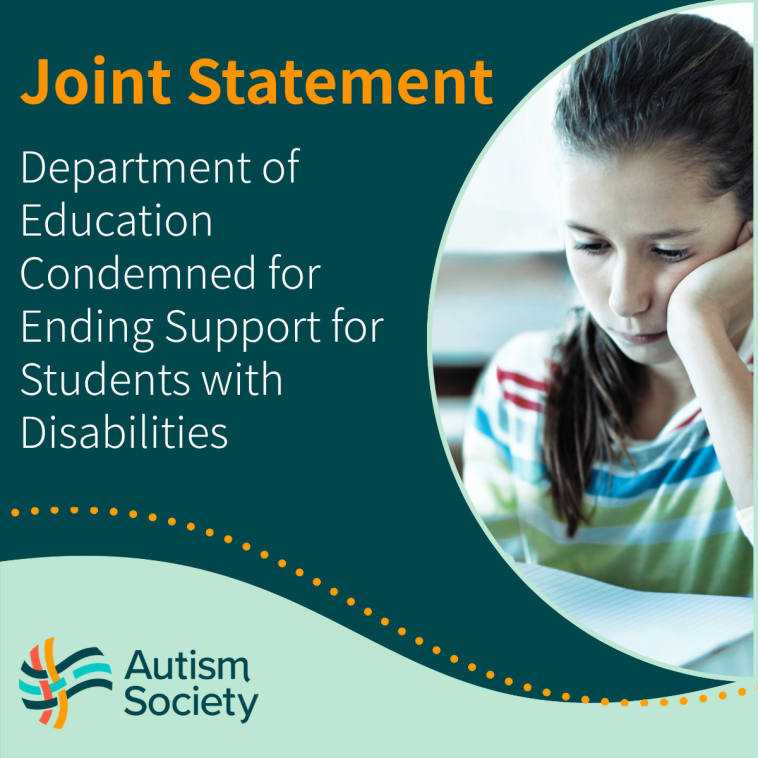

The Proposed Restructuring of the Department of Education: A Closer Look
The recent announcement by the Trump administration to begin dismantling the Department of Education has sparked widespread discussion across educational circles. Now more than ever, it is super important to understand what exactly is happening and what the potential consequences might be for students, educators, and communities across the nation. This opinion editorial offers a neutral and thorough perspective on the proposed changes, investigates the tricky parts of the policy, and provides a detailed analysis of how these moves could affect an essential pillar of our education system.
The administration’s plans have caused concern because they could lead to a fundamental restructuring of how education programs are managed at a federal level. The idea is to transfer key functions currently housed within the Department of Education to other federal agencies, including the Department of Labor (DoL), the Department of the Interior (DOI), the State Department, and the Department of Health and Human Services (HHS). This editorial intends to poke around the proposal’s details, explain the tangled issues behind the policy, and offer a neutral, balanced viewpoint on the matter.
Understanding the Reorganization Plan: Agencies and Education Programs
On November 18, the administration announced plans to reassign several offices from the Department of Education to other federal agencies. According to this plan, the Office of Elementary and Secondary Education (OESE) and the Office of Postsecondary Education (OPE) would be transferred to the Department of Labor. The Indian Education Division would move to the Department of the Interior, while foreign language programs would fall under the State Department. Additionally, the Department of Health and Human Services would now manage initiatives such as the Child Care Access Means Parents in School Program and the International Medical Accreditation Program.
Furthermore, there have been discussions about moving the Office of Civil Rights to the Department of Justice and shifting special education responsibilities—specifically those tied to IDEA (the Individuals with Disabilities Education Act)—to HHS. This wide-ranging shuffle of offices is not just a minor reallocation of tasks; it represents an attempt to fundamentally change how the federal education system is organized and how its legal, administrative, and oversight responsibilities are executed.
Supporters of this restructuring claim that these changes aim to cut bureaucracy and streamline government operations. However, concerns have been raised about whether such moves will ultimately reduce the tricky parts of education policy management or just create a maze of overlapping responsibilities that could confuse educators, parents, and students.
Confusing Bits: The Potential Consequences of Office Transfers
Critics argue that shifting key programs from the Department of Education to other agencies is a recipe for mixed messages and miscommunication. By spreading responsibilities among agencies that are not traditionally focused on education, there may be a loss of the fine points—those subtle details—that ensure educational equity and quality in our public schools. Here are some bullet points outlining the main concerns:
- Conflicting Guidelines: Educators might receive different instructions from the Department of Labor and HHS regarding programs that were traditionally under the unified guidance of the Department of Education.
- Loss of Specialized Expertise: Agencies like the DOI, State Department, and HHS may lack the key educational expertise necessary to manage school-age programs effectively.
- Increased Bureaucratic Layers: Rather than simplifying administration, the move might add more layers and tangled issues, making it harder for schools to figure a path through new guidelines and responsibilities.
- Potential for Reduced Oversight: The reallocation of offices could weaken efforts to monitor and enforce educational standards and civil rights protections.
These points highlight why many education advocates and stakeholders are wary of the proposed changes. It is not just about moving offices—it is about the hidden complexities involved when agencies that are not primarily concerned with education suddenly find themselves in charge of programs that require dedicated oversight.
Troubled Transitions: The Impact on Students and Educators
At the core of the debate is the concern that students and educators could suffer due to the proposed shifts. Public schools have long relied on consistent and comprehensive guidance from a centralized agency like the Department of Education. With the current proposal, that centralized focus may be replaced by a patchwork of policies from various agencies, each possibly offering conflicting advice.
Here are some of the potential outcomes that worry critics:
- Fragmented Support: Students might be left without clear and cohesive support structures, affecting everything from curriculum standards to accommodations for special education needs.
- Training Challenges for Teachers: Educators who have long depended on federal guidelines for teaching practices could face challenges as they try to adapt to new, potentially inconsistent, requirements.
- Official Oversight and Accountability: With responsibilities dispersed, there’s a chance that civil rights issues, once vigilantly monitored, could slip through the cracks.
For example, transferring the Office of Civil Rights’s responsibilities may result in a less direct line of accountability, leaving many stakeholders confused about where to turn for help if students experience discrimination or other educational inequities. Similarly, moving programs like OESE and OPE to the Department of Labor might lead to conflicting policy interpretations composed of small distinctions and different administrative cultures.
Such confusing bits are especially problematic when it comes to protecting and promoting the rights of students with disabilities. Many fear that plans to shift IDEA enforcement to HHS could undermine decades of progress made in ensuring that disabled students receive the supports they need.
Legal Considerations and Congress’s Role in Education Policy
The legal foundation for the Department of Education is firmly rooted in Congressional action. Established by Congress in 1979, the Department was entrusted with the super important job of overseeing public education and safeguarding the civil rights of students. One of the most contentious aspects of the current proposal lies in the assertion made by the administration that the Department is merely a “pass-through agency.” This claim is seen by many critics as a mischaracterization that conveniently omits the Department’s key responsibilities.
Legally, any fundamental changes to an agency created by Congress must be initiated by Congress itself—not unilaterally by the executive branch. This is a call to examine the following bullet points that illustrate why such changes are legally problematic:
- Separation of Powers: Under the U.S. Constitution, Congress is the branch responsible for budgeting and reorganizing federal agencies. The proposed change oversteps this boundary by attempting to transfer responsibilities without Congressional approval.
- Statutory Mandates: The programs currently managed by the Department of Education were allocated there with specific statutory guidelines. Relocating these offices without amending these laws could not only be unconstitutional but also leave programs in legal limbo.
- Precedent for Policy Shifts: If the administration succeeds in repositioning offices unilaterally, it could set a dangerous precedent for future administrations to bypass necessary legislative interventions when keen on making similar changes.
In sum, the legal framework supports the idea that adjustments of this magnitude should come only through a collaborative process with Congress. The current proposed strategy appears to sidestep this vital requirement, lending further controversy to the administration’s approach.
Detailed Breakdown of Challenges from Shifting Educational Oversight
To better understand the potential pitfalls of transferring educational responsibilities, it is helpful to look at the issue through a structured lens. Below is a table that outlines the key agencies involved, what offices they are slated to absorb, and the possible challenges associated with each transfer.
| Receiving Agency | Offices/Programs Involved | Potential Challenges (Tricky Parts) |
|---|---|---|
| Department of Labor (DoL) | Office of Elementary and Secondary Education (OESE); Office of Postsecondary Education (OPE) |
|
| Department of the Interior (DOI) | Indian Education Division |
|
| State Department | Foreign language programs |
|
| Department of Health and Human Services (HHS) |
|
|
This table encapsulates the range of concerns that come into play. Fundamentally, the move seems aimed at streamlining operations, but it risks creating more tangled issues rather than offering genuine solutions to the current problematic bits in federal education oversight.
The Ripple Effects: Impact on Special Education and Civil Rights Protections
One of the most sensitive areas affected by the proposed changes is special education. Under the Individuals with Disabilities Education Act (IDEA), disabled students have been granted very clear rights and access to quality education. However, there are fears that transferring responsibilities—such as moving special education oversight to HHS—could result in the erosion of these hard-won protections.
Here are the main points regarding how special education might be affected:
- Loss of Focus: By shifting IDEA enforcement from a specialized education institution to a broader healthcare agency, there is a concern that education for disabled students could be treated as a secondary, off-putting afterthought.
- Potential Reduction in Support: Agencies without a strong background in education might overlook the little twists that ensure effective special education support. This could leave many students without the necessary accommodations or assistance.
- Risk of Reversing Progress: Special education programs have evolved over decades to address a full range of student needs. A sudden change could undo many of these improvements, effectively setting back progress in disability rights.
Similarly, the proposed realignment could negatively affect civil rights protections for all students. If the offices that monitor and investigate discrimination and abuse within the education system are moved or diluted, there might be fewer checks in place. This is particularly nerve-racking when considering how vulnerable student populations could be left unprotected if mismatched oversight systems fail to address complaints effectively.
Examining the Government Shutdown Claims: “Nothing Happened”?
During the announcement, officials claimed that the previous 43-day government shutdown had no adverse effects on students and schools. They maintained that, because “nothing happened” during that period, the public was not harmed by the temporary loss of the Department of Education’s operations. However, critics have countered this argument with examples and data that suggest otherwise.
The reality is that even a temporary shutdown can expose several confusing bits in the system. For instance:
- Civil Rights Complaints: Reports indicated that civil rights abuses persisted, and the department’s reduced operational capability during the shutdown hindered the prompt handling of formal complaints.
- Support Gaps: Families and educators experienced delays in receiving technical assistance and clarifications on program eligibility, which could have longer-term implications.
- Administrative Backlogs: The interruption in regular operations may have led to a buildup of unresolved issues, creating additional nerve-racking challenges once normal operations resumed.
The administration’s dismissal of shutdown-related issues appears to sidestep the delicate, on-edge nature of these tricky parts of federal education management. Even if immediate harm seemed minimal, the cumulative effect of such events raises serious concerns about how students’ rights and educational standards could be compromised in the long run.
Sorting Out the Shifts: Implications for Policy Flexibility and Government Accountability
The proposed changes are not just a matter of relocating offices; they strike at the heart of how education policy is formulated and enforced. Historically, the centralized, consolidated approach of the Department of Education has played a key role in standardizing educational practices nationwide. By scattering responsibilities among several agencies, the federal government is in effect making it more difficult for stakeholders to find their way through the regulatory maze. Key implications include:
- Policy Inconsistency: With multiple agencies now tasked with administering different segments of education policy, educators and administrators may face a series of fine shades and subtle details that vary by agency. This can complicate efforts to create uniform strategies across states and schools.
- Reduced Coherence in Program Delivery: The previous model allowed for a cohesive delivery of services. The new model risks creating siloed efforts where each agency operates independently, contributing to little twists that could easily become overwhelming for smaller school districts.
- Accountability Concerns: Dispersing responsibilities can weaken the clarity of oversight. In the current arrangement, it is easier to pinpoint who is responsible for which aspect of policy. Once responsibilities are scattered, accountability becomes loaded with issues, and the public may find it more challenging to pressure the government to fix problems.
The above points underline that the changes are not merely administrative tweaks—they represent a seismic shift in the way federal education policy is likely to be managed. This raises critical questions about long-term government accountability and the ability of Congress to ensure that the educational needs of every student are met.
Public Response and The Importance of Congressional Oversight
One of the recurrent themes in opposition to the proposed changes is the emphasis on the role of Congress. Since the establishment of the Department of Education, Congress has been the body entrusted with ensuring that education policies are implemented in a way that supports the public good. The current proposal appears to bypass this essential process by opting to use interagency agreements—a maneuver that many see as an attempt to sidestep the legal framework that already exists.
A number of actions can be taken by concerned citizens and education advocates:
- Contact Your Congress Members: It is critical for constituents to remind their elected representatives that Congress—not the executive branch—holds the responsibility for reorganizing federal agencies. Share concrete examples of how these changes could negatively affect local schools and the broader education system.
- Raise Awareness Locally: Whether at town hall meetings or through local media, engage with community leaders about the potential for these overarching changes to disrupt what has been a well-established system. Local advocacy may help to generate the community support needed to influence congressional action.
- Monitor Changes and File Complaints When Necessary: Should issues arise from the realignment of offices, continue to submit formal complaints to the appropriate federal offices that remain within the Department of Education. Ensuring that the rights of students are not overlooked is something that must remain a constant priority.
This public response is critical because it reinforces the idea that dismantling a key agency without proper legislative processes is not only risky but also unprecedented. Keeping Congress in the loop and holding it accountable is the best way to ensure that any changes do not endanger the valuable support and protections that have long been provided for the nation’s students.
Why Keeping the Department of Education Intact Is Super Important
The Department of Education was not arbitrarily established; it was founded to provide a centralized means to support schools, protect civil rights, and implement education policy uniformly across the nation. Removing or reassigning its key functions could lead to a number of nerve-racking scenarios that undermine public education:
- Cultural Shift: Education is more than just an administrative function—it is a cornerstone of our society. Stripping away the unified framework currently provided by the Department of Education may weaken the cultural and educational fabric of our communities.
- Risk to Vulnerable Populations: Without a dedicated federal authority, vulnerable groups, especially students with disabilities, might not receive the specialized support they need under laws like IDEA. This can have long-term adverse effects on their academic and professional futures.
- Erosion of Guidance and Support: Schools and educators rely on central guidance that establishes essential rules and standards. With these guidelines now spread among different agencies, there could be important gaps in the systems that help educators steer through new challenges.
Maintaining the Department of Education in its current form is seen by many as not only a matter of legal propriety but also a necessary safeguard against losing decades of progress in ensuring quality education for every student. The envisioned rearrangement risks erasing the very achievements that have been built over nearly half a century.
Diving Into the Government’s Motivation: Streamlining or Sidestepping?
Proponents of the proposed changes argue that moving certain functions out of the Department of Education and reassigning them to other agencies will ultimately lead to a leaner, more efficient government. However, a closer look reveals that what might appear at first glance as an effort to streamline operations might indeed simply be an attempt to sidestep legislative oversight. Here, we explore some of the tricky parts and tangled issues behind this argument:
- Cost-Cutting or Power-Shifting? While some claim that reallocating offices could result in overall savings for the federal budget, others view this as a political maneuver to reduce the influence of the Department of Education—a department that has often been at the forefront of defending the public’s interest in education.
- Short-Term Gains vs. Long-Term Impact: The temporary cost savings or administrative simplifications touted by proponents may be overshadowed by long-term complications for schools and students. In the long haul, the loss of a unified oversight body could lead to inefficiencies and increased confusion for those responsible for implementing education policy.
- Experimentation with Governance: This move tests the boundaries of how much the executive branch can unilaterally change. In a system built on checks and balances, such experiments risk upsetting the established balance of power between the branches of government.
Evaluating these exchanges raises questions about whether such changes are truly designed for the benefit of the public or are more reflective of a broader political agenda that disregards established responsibilities and the law. The piecemeal, interagency approach might superficially seem like a solution to bureaucratic twists and turns, yet it could leave educators and students to figure a path through a maze of conflicting rules and guidelines.
Assessing the Broader Implications for American Education Policy
The discussion surrounding the proposed dismantling of the Department of Education is symptomatic of larger debates about the role of federal government in our everyday lives. When a nation’s education system—the very foundation that nurtures future generations—is subject to such significant structural changes, the ramifications are broad and far-reaching.
Looking beyond the immediate practical impacts, some of the long-term implications include:
- Policy Uncertainty: A fragmented system may create an environment of ongoing policy uncertainty, where administrators, teachers, and parents find it increasingly difficult to anticipate changes or plan for the future.
- Reduced Public Trust: Abrupt, uncoordinated shifts in how education is managed can erode trust in government institutions. When federal agencies no longer provide clear and consistent guidance, it places an undue burden on local communities to fill in the gaps—burdens that many already struggle to manage.
- Impact on Future Legislation: The established framework that has historically guided educational policy might be irreversibly altered, complicating future efforts to address emerging challenges or to institute reforms that benefit students and educators alike.
It is important to note that education is a continuous journey. Any interruption or mismanagement at the federal level can create ripples that affect every layer of the educational system—from federal policymakers to local schools and, ultimately, to the students who depend on these structures for success. The current proposal, with its potential to upend a system that has been carefully calibrated over decades, merits a cautious and measured response from all stakeholders involved.
Recommendations for a Balanced Future in Education Policy
In light of the issues discussed, it is essential to consider how a more balanced approach to federal education policy might look. While there may be valid arguments for streamlining certain functions, any effort to reassign responsibilities should be done transparently, with full consultation with Congress and input from educators, parents, and community leaders.
A few recommendations to consider include:
- Congressional Collaboration: Before any major reorganization occurs, Congress must be actively involved in discussing, debating, and ultimately codifying any changes. This ensures that the legal framework is respected and that any shifts are supported by a broad consensus.
- Maintaining Centralized Oversight for Key Programs: Retaining a central body to provide unified guidance—especially regarding civil rights and special education—can help mitigate the risk of conflicting policies that might emerge from a multi-agency oversight model.
- Enhanced Communication Channels: If responsibilities are to be distributed among different agencies, robust interagency communication must be established. This would involve creating dedicated liaison offices or committees whose job it is to manage the fine shades between differing administrative cultures and ensure that policies remain coherent.
- Regular Reviews of the Reorganization’s Impact: Implement periodic assessments that involve educators, administrators, and student representatives. This step ensures that the reforms are not only well-intentioned but also effective in maintaining the quality of education and protecting student rights.
These suggested measures are not just theoretical—they are essential steps in managing the tricky parts and tangled issues that naturally arise in any significant governmental reorganization. By addressing the problem head-on, policymakers can help ensure that the quality of American education remains high while still making sensible administrative adjustments where needed.
Maintaining Balance in the Face of Political Change
In an era where political shifts can often lead to significant changes in governmental operations, it is perhaps inevitable that established institutions like the Department of Education come under scrutiny. The current proposal is a stark reminder of the ever-changing political landscape and the need for constant vigilance by those who depend on public education.
It is essential to keep in mind that education is more than just a bureaucratic function—it is a fundamental right that shapes the future of individuals and, ultimately, the future of the country. As we work through these nerve-racking changes, it is crucial for educators, lawmakers, and the public to get into meaningful discussions that balance the need for administrative efficiency with the equally important need for consistency, clarity, and protection of student rights.
We must remember that the battle over education policy is not merely about cost-cutting or government restructuring. Instead, it is about ensuring that every child, regardless of background or ability, has access to the high-quality education they deserve. This means protecting established programs like IDEA and the Office of Civil Rights, while finding ways to streamline administrative procedures without sacrificing the fine points that underpin a robust educational system.
Conclusion: Taking a Balanced Approach to Education Policy Reform
The proposed dismantling of the Department of Education by transferring crucial offices to other agencies raises serious and practical concerns. From legal issues regarding Congress’s authority to the confusing bits that may arise from shifting oversight responsibilities, the plan carries several risks that could inadvertently hurt students, teachers, and communities nationwide.
This opinion editorial has taken a closer look at the many tangled issues embedded in this proposal, exploring how the move might impact everything from special education to civil rights protections. The potential for conflicting guidelines and reduced clarity in managing education programs is a significant worry that must not be ignored.
The established role of the Department of Education has provided a central, super important source of guidance and oversight for decades. Any attempt to circumvent this role without proper legislative backing is not only legally questionable but could set a dangerous precedent for future policy decisions.
In light of these concerns, it is crucial for both citizens and policymakers to advocate for a balanced approach to any changes in federal education policy. Congress must play a proactive role in evaluating and, if necessary, approving any major structural changes. Moreover, all stakeholders—educators, parents, and community leaders—should remain engaged and informed, ready to offer feedback and push back where policies might compromise the quality of education.
Ultimately, the future of American public education must be safeguarded through collaborative governance, transparent decision-making, and a steadfast commitment to the rights of all students. While administrative changes may be necessary from time to time to adapt to evolving challenges, these changes must never come at the expense of the core values that ensure every child receives the education they deserve.
Now more than ever, it is up to us—citizens, educators, and advocates alike—to ensure that the federal government remains accountable to the public interest. Contact your congressional representatives, engage in local dialogues, and keep a close eye on any developments that might influence the future of our education system. By staying informed and involved, we can help steer through the twists and turns of government reform and maintain the high standards that have long defined American education.
As this debate continues to evolve over the coming months and years, it remains essential to remember that any significant policy shift should not be undertaken lightly. The stakes are simply too high when they impact the educational foundations for current and future generations.
It is our collective responsibility to work together to ensure that in the process of streamlining or reshuffling administrative duties, we don’t lose sight of the most super important goal of public education—to foster an environment where every student, regardless of their background or ability, can thrive and become contributing members of society.
In conclusion, while the administration’s proposals may be presented as steps toward greater efficiency, careful examination reveals a host of nerve-racking issues and potential setbacks that could undermine the stability and effectiveness of our education system. Let us approach these changes with cautious scrutiny, ensuring that all moves are legally sound, practically manageable, and fully in alignment with the long-held values that support the right to a good education.
Originally Post From https://autisticadvocacy.org/2025/11/what-is-happening-at-the-department-of-education/
Read more about this topic at
ACLU Comment on Department of Education’s Dismantling …
Trump’s dismantling of the Department of Education raises …