Overcoming the Twists and Turns in Rural Education: A Look at the Teach Rural Oregon Scholarship Program
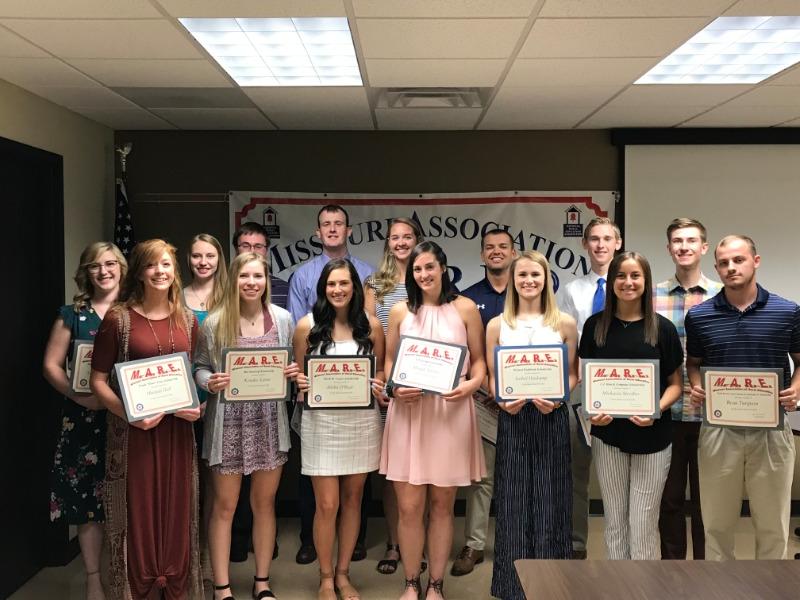
The recent announcement that 17 College of Education undergraduates have been awarded more than $35,000 in scholarships to support their teaching field experiences in rural Oregon communities highlights a pivotal moment for education in remote areas. This initiative, made possible through a generous grant awarded to Teach Rural Oregon by the Educator Advancement Council and the Oregon Department of Education, does more than just ease the financial strain on budding educators—it sets a tone for innovative support systems that help future teachers thrive in less populated regions.
In many rural areas, the pathway to becoming an effective educator is riddled with tangles and turns that can feel overwhelming or even off-putting. However, initiatives like this scholarship offer a beacon of hope and a clear example of how strategic investments in teacher candidates can help build stronger, more resilient educational systems in communities that have traditionally been on the edge. This opinion editorial will explore the impact of these scholarships on rural education, discuss the support systems in place, and consider what these developments mean for state and federal education policy.
Empowering Future Teachers in Rural Communities
At the heart of this scholarship program lies the mission to empower future educators who are willing to serve in rural communities. By providing each recipient with $2,100 to offset tuition costs during their field experiences, the program creates a tangible incentive for college undergraduates to choose teaching as a profession in locations that desperately need dedicated educators.
Teacher education in rural settings comes with its own set of tricky parts and tangled issues. These include limited resources, geographic isolation, and the unique challenges of understanding local community dynamics—all of which can be intimidating and nerve-racking for someone just starting out in the profession. However, programs like Teach Rural Oregon aim to ease these complications by delivering targeted support, mentoring, and practical field experience opportunities that allow teacher candidates to learn from the ground up.
Addressing the Complicated Pieces of Rural Teaching
Rural teaching is often perceived as being fraught with confusing bits and overwhelming challenges. The task involves not only managing classroom instruction but also addressing the subtle details of community engagement. The fine points—such as understanding local customs, realizing small distinctions in student backgrounds, and adapting to the unique environment of rural schools—can be nerve-wracking for the inexperienced teacher.
By providing a financial cushion and offering structured programs, Teach Rural Oregon and similar initiatives help aspiring teachers get into the nitty-gritty of rural education without being overwhelmed. These scholarships serve as a springboard, enabling new educators to face the subtle parts of teaching with confidence, knowing that they have access to continuous support and guidance.
The Broader Impact on Local Communities and Education Policy
While the immediate benefit of the scholarships is clear—supporting tuition costs during field experiences—the broader impact resonates on a larger scale. Rural communities across Oregon have long contended with challenges such as a shortage of trained educators, declining school enrollments, and limited access to advanced resources. The infusion of fresh, passionate talent can help reverse these trends and inject new ideas into community education programs.
On a state and federal level, such initiatives underscore the importance of education policies that are responsive to the lived realities of rural life. Policy makers are increasingly recognizing that a one-size-fits-all approach to education does not account for the small distinctions between urban and rural settings. The scholarship program not only offers immediate aid to students but also serves as a model for how targeted policy interventions can address the complicated pieces of educational funding, resource allocation, and teacher recruitment in rural settings.
Strategies for Sustaining Rural Education Initiatives
To ensure that these benefits are not short-lived, it is critical for state and federal education policy to continue supporting and expanding similar initiatives. Some key strategies include:
- Increasing Funding: Consistent, enhanced funding for programs like Teach Rural Oregon can help guarantee that more teacher candidates have access to quality field experiences in rural areas.
- Expanding Mentorship Programs: Establishing mentorship networks where experienced rural educators guide new teachers can provide firsthand insights into overcoming the tricky parts of rural education.
- Collaborative Policy Making: Engaging local communities, educators, and state education departments in dialogue can lead to policies that address the unique challenges of rural schools.
- Incentivizing Rural Service: Beyond scholarships, offering additional incentives such as loan forgiveness, housing subsidies, or professional development opportunities can help attract talented individuals to rural teaching positions.
These strategies demonstrate how a well-rounded, community-focused approach can tame the twisted issues of educational disparities while promoting a more inclusive and balanced educational landscape.
Nurturing Talent Through Expanded Student Support Programs
In addition to scholarship programs that directly impact the financial burdens of student teachers, Eastern Oregon University has taken notable steps to expand overall student support through programs like the Mountaineer Success Team Program (MSTP). This initiative is designed to ensure that every student is connected with a personalized support network comprising advisors, mentors, and coaches.
The MSTP is a shining example of how educational institutions can proactively work to provide the kind of comprehensive support that helps students overcome any off-putting or intimidating challenges during their academic journey. By ensuring that students have access to expert guidance at every critical juncture, MSTP equips them to manage your way through the tangled issues of coursework, field work, and personal development.
How Integrated Support Networks Enhance Educational Outcomes
Managing your way through college can sometimes feel like trying to find your path in a maze full of confusing bits and overwhelming twists. The MSTP addresses these issues by connecting students with essential resources early on in their academic careers. The role of these support networks is multifaceted:
- Academic Advising: Helping students to plan their academic paths and set realistic goals despite the nerve-racking challenges of college-level coursework.
- Mental Health and Well-being: Offering emotional and psychological support, crucial for students who are adjusting to the pressures of higher education.
- Career Guidance: Providing insights into the professional opportunities that follow graduation, especially for students who might consider roles in challenging rural settings.
- Peer Support: Encouraging a network of fellow students who can share their experiences and tips for navigating college life successfully.
These carefully designed structures help to ensure that the typical points of friction in a student’s academic journey do not become roadblocks. Instead, they transform complicated pieces into opportunities for personal growth and achievement.
The Role of Arts and Community in Enriching Student Life
While the spotlight is often focused on academic and career-driven support, initiatives such as Eastern Oregon University’s sponsorship of the Eastern Oregon Film Festival illustrate the importance of a balanced student experience. The film festival—which recently celebrated its sixteenth year—brings together world-class independent cinema, music, and community engagement. Such events highlight another strategic way to enhance the overall college experience by offering creative and cultural nourishment.
These types of partnerships and sponsorships provide an alternative outlet for creative expression and community involvement. They remind us that the small distinctions between academic and artistic pursuits often converge in the holistic development of students. In rural areas where community events serve as a cornerstone for social interaction, these gatherings can help bridge the gap between academic life and community participation, turning what could be intimidating experiences into opportunities for community bonding and cultural exchange.
Benefits of Integrating Arts into Educational Experiences
Integrating arts and cultural experiences into the fabric of higher education carries multiple benefits:
- Enhanced Creativity: Exposure to a broad range of cultural expressions fosters a creative mindset, which is essential for innovative teaching methods.
- Community Engagement: Events like film festivals unite academic institutions with the local community, reinforcing a sense of belonging and shared purpose.
- Stress Relief: Artistic endeavors often provide a much-needed counterbalance to the intense, sometimes nerve-racking demands of academic work.
- Broadening Perspectives: By engaging with independent cinema and music, students and faculty alike are encouraged to take a closer look at the world beyond traditional academic boundaries, discovering new ideas and inspirations.
This integration reinforces the idea that education is not solely about academic achievement but also about cultivating well-rounded individuals who are prepared to contribute meaningfully to their communities—be it in a classroom, a community center, or a local arts festival.
Rural Education Policy: Addressing the Tricky Parts Through Collaboration
One of the most critical challenges in rural education today revolves around the tangled issues of policy implementation and resource allocation. The success of the Teach Rural Oregon scholarship program and similar initiatives speaks to the necessity of collaborative efforts between educational institutions, local communities, and policy makers at the state and federal levels.
Current education policy often seems riddled with tension when it comes to balancing competing priorities. However, by working together and taking into account the subtle details that make rural education unique, stakeholders can design policies that are both flexible and effective. It is essential that policy makers consider the following elements when crafting initiatives aimed at boosting rural education:
- Localized Decision-Making: Empowering local boards and community leaders to make decisions that best suit their unique circumstances.
- Sustainable Funding Models: Developing funding mechanisms that are consistent and allow for scalability so that programs can be maintained over time.
- Comprehensive Support Services: Integrating academic, emotional, and professional support services into policy frameworks to nurture holistic student development.
- Educational Innovation: Encouraging schools and universities to experiment with new teaching methods and support networks, particularly those addressing the challenging parts of rural education.
When these approaches are implemented, the once intimidating twists and turns of rural education can evolve into manageable, even exciting, pathways for future educators. The Teach Rural Oregon scholarship program is a shining example of how targeted, well-structured support can make a meaningful difference in the lives of teacher candidates and, by extension, in the communities they serve.
Examining the Role of Federal and State Partnerships
Federal and state partnerships have a long history of being instrumental in transforming educational landscapes, particularly in regions faced with resource scarcity. By providing substantial grants and support, governmental bodies are able to address the fine points of rural education that many local institutions struggle with alone. These collaborations serve several critical functions:
- Resource Allocation: Ensuring that funding is directed toward programs that offer tangible improvements in student outcomes.
- Program Expansion: Leveraging federal dollars to expand successful models like Teach Rural Oregon to more communities.
- Policy Innovation: Testing new approaches in controlled environments before rolling them out on a wider scale.
- Monitoring and Evaluation: Establishing accountability measures that help refine programs over time, ensuring they remain effective and responsive to evolving challenges.
Such partnerships are critical in managing your way through the confusing bits and fine shades of education reform. Winning the support of both local communities and policy makers is a must-have for the long-term success of any initiative designed to assist rural educators and their students.
Long-Term Implications for Higher Education and Rural Teaching
Looking beyond the immediate benefits provided by the scholarship, it is worth considering the broader implications for both higher education and the future of rural teaching. The success of Teach Rural Oregon and the Mountaineer Success Team Program points to a trend where educational institutions are taking a proactive role in smoothing the pathway for future educators.
Higher education institutions across the country are increasingly recognizing the importance of investing in support structures that help students tackle the tricky parts of their studies and the subtle parts of their professional training. These initiatives not only improve retention rates but also foster an environment where innovation, empathy, and community engagement can flourish.
Preparing Educators for a Changing Educational Landscape
The field of education is constantly in flux, subject to both local conditions and sweeping national trends. As rural areas strive to keep pace with rapidly changing demands, preparing educators who are flexible, adaptable, and prepared for the unpredictable twists and turns of modern teaching is more important than ever. Emerging programs like Teach Rural Oregon are paving the way by allowing teacher candidates to:
- Gain Hands-On Experience: Direct involvement in rural classrooms equips candidates with the practical skills needed to handle everything from the subtle parts of student interaction to complicated classroom management scenarios.
- Acquire Culturally Responsive Skills: Learning to make your way through communities with diverse traditions and values requires empathy and a readiness to embrace subtle differences.
- Develop Problem-Solving Abilities: Field experiences offer an opportunity to tackle real-world challenges head-on, turning potentially nerve-wracking situations into learning moments.
- Build Sustainable Relationships: Long-term commitments to rural communities foster a spirit of mutual growth and support, benefiting both educators and the populations they serve.
Such experiences are not just beneficial—they are essential. The skills gleaned during these formative field experiences allow educators to enter the profession with a sense of purpose and a robust toolset, ready to figure a path through the evolving challenges of the education sector.
Putting the Student Experience at the Forefront
A key takeaway from both the Teach Rural Oregon scholarship program and the Mountaineer Success Team Program is the importance of putting the student experience at the forefront of educational initiatives. By ensuring that students have access to full-scale support—from financial aid to mental health counseling to career development workshops—institutions can help mitigate the often intimidating parts of higher education.
When students are provided with clear, accessible pathways and personalized support, the confusing bits of their academic experience become less daunting. Instead, they can focus on harnessing their passion for teaching and channeling it into effective, community-based education practices.
Elements of a Student-Centric Educational Model
A student-centric approach to higher education recognizes that learning takes place in many forms—not just in the classroom but also through community interactions and experiential education. Key elements of this model include:
- Personalized Academic Advising: Tailoring guidance to each student’s needs can help figure a path through the nerve-racking decisions about course selection, major choices, and career planning.
- Robust Mentorship Programs: Pairing students with mentors who understand the subtle details of both academic and professional challenges helps illuminate the complicated pieces that make up a successful educational trajectory.
- Accessible Financial Support: Scholarships and grants, like those provided by Teach Rural Oregon, remove one of the most intimidating barriers to higher education—financial uncertainty.
- Community Engagement Opportunities: Encouraging activities such as cultural festivals, community service, and creative projects strengthens the bond between the institution and the local area, creating a nurturing and supportive environment for all involved.
This holistic approach not only improves academic outcomes but also cultivates a generation of educators who are as comfortable working within a large urban school as they are stepping into a rural classroom.
Critical Considerations for Future Educational Investments
Looking ahead, there are several critical considerations that education policy makers, institutional leaders, and community advocates should keep in mind when planning for the future of rural education. The success of the Teach Rural Oregon scholarship program and similar initiatives is a positive sign, but maintaining and expanding these successes requires ongoing attention to several key issues:
- Long-Term Funding Commitments: Consistency in funding ensures that programs can adapt over time to emerging challenges without facing sudden interruptions.
- Data-Driven Policy Making: Utilizing comprehensive data on field experiences, teacher retention rates, and student outcomes can help policy makers make informed decisions that address the subtle details of rural educational challenges.
- Cross-Sector Partnerships: Collaboration between educational institutions, local businesses, and community organizations can create a support network that benefits all parties. These partnerships are essential for customizing strategies that address the tricky parts of rural development.
- Scalability of Programs: Programs that work on a small scale must be adapted responsibly to serve larger audiences. This means piloting initiatives, gathering feedback, and fine-tuning methods so that best practices can be replicated effectively in other rural areas.
- Advocacy and Community Involvement: The voices of students, teachers, and local community members should be central to any policy discussion. Their insights provide invaluable guidance on how to make your way through the subtle parts of educational reform.
These considerations emphasize that while initiatives like the Teach Rural Oregon scholarships are on the right track, there is still a long road ahead. Strategic planning and collaboration are key to making sure that economic and educational investments translate into long-term success in rural communities.
Ensuring Equitable Access to Teacher Preparation Programs
The overarching goal of equitable access in education remains a super important debate among policy makers. When discussing how to best nurture new talent for rural schools, it is imperative that teacher preparation programs are accessible to all, regardless of geographic or economic barriers. Measures to ensure more inclusive participation include:
- Reducing Application Barriers: Simplifying the process for scholarship applications and teacher certification can help remove some of the complicated pieces that deter promising candidates.
- Providing Outreach and Networking Opportunities: Engaging local high schools and community centers can help identify potential educators early, ensuring that the talents of future teachers are recognized and nurtured from a young age.
- Leveraging Technology: Online learning platforms and hybrid courses allow for wider access to teacher preparation programs, making it easier for students in remote locations to participate without having to relocate.
- Customized Support Services: Tailoring support services to meet the unique needs of rural students—such as mentoring programs, mental health resources, and career planning—ensures that no aspiring teacher is left to figure a path on their own.
By addressing these aspects, rural education can continue to grow and adapt, ensuring that the enriching experience provided by programs like Teach Rural Oregon becomes a cornerstone for inspirational teaching nationwide.
The Future of Rural Education: A Collaborative Vision
The story behind the Teach Rural Oregon scholarship and Eastern Oregon University’s expanded support initiatives is not just one of financial aid and program development—it is also an inspiring testament to what can happen when educators, communities, and policy makers work together toward a common goal. The collective effort to support future teachers in rural settings is paving the way for a more resilient educational system, one built on collaboration, targeted support, and the shared understanding that every community deserves quality education.
Looking forward, it is clear that the landscape of rural education will continue to evolve as new challenges and opportunities arise. Programs like the Teach Rural Oregon scholarship serve as examples of how strategic investments in teacher preparation can yield significant benefits, not just for the educators themselves, but for entire communities that flourish under the guidance of passionate and well-prepared teachers. It is a vivid reminder that sometimes, the solutions to some of the most overwhelming parts of education lie in the thoughtful combination of financial support, practical experience, and mentorship.
Community Resilience and the Promise of Rural Schools
Rural communities often face unique challenges—ranging from economic hardships to geographic isolation—but they also possess a remarkable resilience and sense of community that can transform small investments into substantial future gains. When teacher candidates are given the opportunity to work in these environments, the benefits are multi-layered:
- Stronger Community Bonds: As new teachers integrate into rural communities, they become active members of the local fabric, contributing to community development and the overall well-being of local families.
- Innovative Teaching Practices: Exposure to the small distinctions of rural life encourages educators to adopt creative, locally adapted teaching methods that address real-world challenges.
- Empowered Youth: Students in these communities gain role models who understand their context, inspiring them to aim high and pursue their dreams despite the intimidating odds.
- Long-Term Social Impact: Stable, quality education leads to sustained progress and opens the door to economic development, creating a ripple effect of positive change that benefits the entire region.
This example of rural resilience highlights how investments in teacher preparation and student support are not isolated measures—they are integral to building a vibrant, self-sustaining community that can navigate the confusing bits and subtle challenges of modern life.
Final Reflections: A Call to Action for Education Stakeholders
The generous scholarship awards and comprehensive support programs emerging from institutions like Eastern Oregon University mark a turning point in rural education. They demonstrate that when the community, educators, and policy makers come together to address the potentially off-putting challenges of rural teaching, extraordinary opportunities arise that benefit not only individual careers but also the broader educational landscape.
As we take a closer look at these initiatives, it becomes evident that every element—from financial support and mentorship to cultural engagement and policy innovation—is interwoven into the fabric of a future where rural education is not seen as an afterthought but as a key contributor to national progress. The need for teacher candidates who can dig into the practical and emotional aspects of teaching in rural settings is critical; these programs affirm that with the right support, even the most intimidating challenges can be transformed into stepping stones for professional success and community enhancement.
For education stakeholders at all levels—be they policy makers, university administrators, or community leaders—the message is clear: it is super important to invest in the infrastructure that nurtures our future educators. Working through the subtle details and addressing the tiny twists that make every educational journey unique requires dedication, collaboration, and a vision that transcends traditional boundaries. In doing so, we not only improve individual lives but also build a stronger, more inclusive foundation for the future of American education.
In conclusion, programs like the Teach Rural Oregon scholarship and the Mountaineer Success Team Program represent a powerful, multi-dimensional approach to overcoming the challenging parts of rural education. They exemplify how targeted financial aid, connected support networks, and community cultural experiences can work hand in hand to enrich the educational experience and prepare a generation of educators who are fully equipped to make a meaningful difference.
Looking ahead, the goal should be to continue expanding and refining these initiatives so that every aspiring teacher, regardless of where they come from, can get around the intimidating barriers that the educational system sometimes presents. With ongoing commitment, strategic partnerships, and an unwavering belief in the transformative power of education, the future of rural teaching—and, by extension, rural America—remains bright and full of promise.
Originally Post From https://www.eou.edu/news-press/rural-emerging-educator-scholarship-awarded-to-17-college-of-education-undergraduates/
Read more about this topic at
Empowering rural educators: Strategies for overcoming …
Strategies for overcoming barriers in clinical teaching