
Maryland Educators Reap Gains Amid Fiscal Challenges
The latest report on teacher and support staff pay data presents a mixed bag of achievements and ongoing challenges for Maryland’s educational community. Recent data from NEA reveals that while educator salaries have seen encouraging increases, the rising cost of living combined with fiscal instability creates a challenging environment. In this opinion editorial, we take a closer look at the progress made, the tricky parts of balancing pay with inflation, and the ongoing debates that continue to shape compensation in Maryland’s public education system.
Teacher Salary Trends in Maryland: A Closer Look
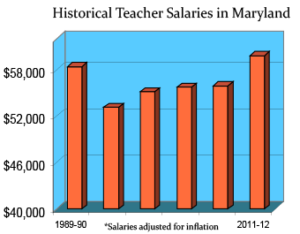
Maryland educators are enjoying a noteworthy improvement in pay, with teachers’ salaries increasing by 6.2% between the 2022-23 and 2023-24 academic years—a rate that ranks among the top 10 improvements nationally. State-level achievements have even allowed Maryland to leapfrog traditional leaders like New Jersey, ensuring its average teacher salaries rank among the best in the country.
This improvement in pay is a direct result of strong local bargaining and relentless advocacy by educators and their unions. With a foundational plan in place that sets a state starting teacher salary minimum of $60,000, the Blueprint for Maryland’s Future envisions a future where educators are not just valued in words but in wages. The situation is not without its challenges, however. Even as salaries improve, educators must contend with an environment where inflation often outpaces pay raises, creating a set of complicated pieces that school districts and policy makers need to figure a path through.
Incorporating Key Elements for Progressive Change
One of the key aspects to Maryland’s salary improvements is the long history of data tracking and associated advocacy. For 60 years, NEA’s Rankings and Estimates report has been a cornerstone for understanding average teacher salaries and per-student expenditures. This report is not merely a collection of numbers—it represents a persistent campaign for fair wages and more sustainable pay structures for educators across the state. In addition, the Teacher Salary Benchmark report and the Education Support Professional Earnings Report shine light on pay at various career stages, helping stakeholders get into the nitty-gritty of the issues.
These reports are instrumental in steering through the twists and turns that define teacher compensation policy. They serve both as a source of validation for educators’ salaries and as a roadmap for future changes needed to counteract the teacher pay penalty—a gap that has steadily widened over the years.
Addressing the Teacher Pay Penalty: A Growing Concern
One of the most controversial topics in educator compensation is the so-called “teacher pay penalty”—the gap between teachers’ weekly earnings and those of other professionals with comparable education. While Maryland has seen salaries climb into the top tier nationally, this gap continues to expand. According to recent economic analysis, teacher pay penalties have widened, reaching as much as 26.6% nationally—a steep increase from 6.1% in 1996.
This widening gap is not confined to certified teachers only; education support professionals (ESPs)—the backbone of school operations—face similar challenges. Data from the Maryland State Department of Education reveals that a significant percentage of ESPs earn wages that fall below the Maryland living wage. With nearly 80% of ESPs reporting the need for a second job and about 60% in danger of leaving their positions for better opportunities, it is clear that even with recent gains, the issue remains on edge.
The disproportion between public expectations, job demands, and actual wages is one of the most nerve-racking aspects of the current pay landscape. Educators and support staff are calling for a recalibration that will not just temporarily remedy the pay penalty, but address the underlying structures that perpetuate it. The promise of higher pay is a key element in recruiting new educators and retaining those who have dedicated their lives to public education.
Breaking Down the Statistics
Consider the following table summarizing key salary trends and challenges faced by educators in Maryland:
| Category | Current Improvement | Issues Noted |
|---|---|---|
| Teacher Salary Growth | 6.2% increase (2022-23 to 2023-24) | Inflation outpacing gains |
| Average Teacher Salary Ranking | 7th highest nationally | Teacher pay penalty widening |
| ESP Salary Ranking | 11th best in the nation | Large portion earning below living wage |
This table helps illustrate the state of play: while Maryland is making strides in raising salaries, the reality is that economic pressures continue to challenge the long-term sustainability of these gains.
Rising Cost of Living and Inflation: The Hidden Complexities
Even as Maryland’s pay figures rally, many educators feel that increased wages are not keeping pace with inflation. Rising costs for essentials like housing, transportation, healthcare, and everyday living expenses mean that a paycheck designed to sustain comfort in theory often falls short in practice. Educators find themselves caught between the need for higher wages and the twin challenges of rising living costs and fiscal unpredictability.
Here are some of the most daunting issues faced by educators when it comes to the rising cost of living:
- Housing Costs: In many parts of Maryland, housing expenses have surged, making it challenging for educators to secure affordable living spaces.
- Transportation Expenses: Increased fuel prices and commuting costs further strain already tight budgets.
- Healthcare: While healthcare benefits are available, rising out-of-pocket costs have left some educators reeling from unexpected expenses.
- Inflation: The constant upward push of inflation means that even salary increases can feel like they are barely making a dent in everyday expenses.
It is clear that while salary improvements are essential, they can sometimes be overshadowed by the intimidating scale of everyday expenses. Policymakers and advocates are facing a nerve-racking challenge: how to ensure that wage increases translate into real, lasting improvements in the quality of life for educators.
Federal Policy and Public Education Funding: The Larger Picture
On top of state-level challenges, federal policy poses a significant headwind for continued improvements in educational compensation. Recent rhetoric and proposed changes at the federal level have added to concerns that public education funding might soon become even more constrained. These policy maneuvers have the potential to undo some of the hard-won gains achieved through local and state advocacy.
NEA President Becky Pringle and other leading figures have warned that federal budget proposals, which often favor tax cuts for the wealthy at the time of cuts to education, may lead to a resurgence of fiscal uncertainty in public schools. This situation is not merely a political debate but affects the day-to-day lives of educators who rely on stable funding to support not only their salaries, but also the quality of education delivered in classrooms across Maryland.
The tug-of-war between federal policies and state-level advocacy represents one of the more subtle details that can have long-lasting impacts on the educational workforce. Programs designed to bolster teacher pay and improve working conditions may be undermined by shifts in federal priorities, forcing local leaders to re-strategize and double down on grassroots organizing.
Highlights of Federal Policy Implications
Some of the key points regarding federal influence on education funding include:
- Budget Proposals: Policy proposals aimed at reducing public spending can directly affect wage adjustments and benefits for educators.
- Tax Cuts and Reallocation of Resources: Shifts in tax policy that favor the affluent can lead to decreased state and local funding for schools.
- Long-Term Fiscal Instability: Uncertain federal support means that local education agencies must constantly adapt their strategies to forecast and mitigate potential shortfalls.
These factors highlight a deeper issue: the balance of power between federal authorities and state/local entities is a constant battleground. The voices of educators, amplified by unions such as the Maryland State Education Association (MSEA), are crucial in ensuring that public education remains a priority in political discourse at every level.
Empowering Educators through Grassroots Organizing
At the heart of the recent salary improvements in Maryland is a story of grassroots power. Educators, school support professionals, and union leaders have worked diligently over many years to build a force that stands up for fair compensation and safe working conditions. MSEA President Paul Lemle has repeatedly stressed the importance of sustained political activity—not merely as a means to an end but as the engine that drives real change.
When educators win elections and hold their representatives accountable, they set in motion a cycle of improvements that benefit not only teachers but the entire education system. The push for a living wage, especially for education support professionals, is a testament to that grassroots effort—a move that seeks to bridge the gap between the financial realities of everyday living and the noble mission of public education.
It is essential to note that such efforts are not without their nerve-wracking twists and turns. Organizing campaigns demand significant time, energy, and cooperation, yet they are proving that collective power can indeed force change, even in the face of heated federal proposals and a challenging economic climate.
Steps Toward Building a United Front
Moving forward, here are some strategies that educators and advocates are employing to continue the momentum:
- Community Engagement: Hosting local events, town hall meetings, and walk-in sessions allow educators to express their concerns directly to decision-makers.
- Grassroots Advocacy: Mobilizing support through phone banks, social media campaigns, and coordinated lobbying drives helps ensure that public education remains a funding priority.
- Policy Reforms: Working collaboratively on draft legislation intended to secure higher pay and better benefits for educators, paving the way for sustainable funding solutions.
- Public Awareness Campaigns: Educating the community about the real-life implications of a teacher pay penalty and the struggles of maintaining a living wage in today’s economy.
These approaches not only empower individual educators but also contribute to building a more robust and resilient education system that can face the nerve-wracking challenges ahead.
Comparative Analysis: Maryland Versus Other States
A useful way to understand Maryland’s current progress is by comparing it with national trends. While several states report improvements in teacher pay, Maryland distinguishes itself with both robust salary growth and relatively high starting salaries.
For example, the following bullet list outlines some of the factors that set Maryland apart:
- Higher Starting Salaries: Maryland’s minimum salary threshold not only attracts new talent but also provides a strong foundation for future educators.
- Consistent Yearly Increases: With a solid track record of salary bumps, Maryland educators stand out in a nation where many regions struggle to keep wages afloat amid rising inflation.
- Strong Union Presence: The active role played by unions in negotiating pay and benefits is a significant factor in Maryland’s successes.
- Commitment to Education Funding: State-level policies and budget allocations underscore a long-term commitment to supporting public education.
These comparative insights reveal that while Maryland has made critical strides, the journey towards complete equity in educator compensation is laden with complicated bits that require systemic attention over time.
Case Study: The Role of MSEA in Shaping Policy
The Maryland State Education Association (MSEA) has been pivotal in molding the state’s policies regarding teacher and support staff salaries. Led by passionate leaders like President Paul Lemle, MSEA has leveraged years of data and effective grassroots mobilization to press for meaningful reforms.
Here are key strategies that have proven successful:
- Data-Driven Advocacy: Regularly published reports, such as the Rankings and Estimates, equip educators with the fine points needed to advocate for themselves.
- Organized Campaigns: Efforts to mobilize educators and community stakeholders ahead of local and federal elections have had real impacts on policy decisions.
- Collaborative Policy Making: By working closely with state legislators, MSEA has ensured that the education sector remains a top priority in budget discussions.
This case study is a perfect example of how commitment at the ground level can ripple upward and influence state and even national education policy. While challenges remain, such initiatives underscore the potential of united, well-informed educator communities in driving lasting change.
Addressing the Challenges Ahead: Policy Recommendations
Given the current landscape where even successful salary hikes are tempered by inflation and fiscal unpredictability, there is a pressing need for policy recommendations that specifically address these problematic areas. Here are some recommendations that educators, unions, and policymakers might consider to bridge the gap between wage increases and the cost of living:
- Indexing Salaries to Inflation: Adjusting salary scales in direct proportion to inflation levels could help ensure that pay increases translate into real improvements in living standards.
- Expanding Benefits: Beyond base salaries, robust benefit packages—including health care, retirement plans, and paid leave—can alleviate financial pressures.
- Strengthening Local Bargaining: Empowering local bargaining units to negotiate wages and benefits tailored to regional economic conditions could help mitigate discrepancies across different parts of Maryland.
- Increasing Investment in Professional Development: Ensuring that educators have ongoing access to training and professional development is essential for career growth and can help justify higher salaries over time.
- Fostering Community Partnerships: Collaborations with local businesses and community organizations can provide additional resources and support for educators facing rising living costs.
By incorporating these strategies, Maryland could set a precedent for other states, turning current challenges into opportunities for reform that ensure educators receive the adequate support they deserve.
Implementing a Holistic Approach to Educator Pay
A truly effective compensation strategy must be holistic. This means not only focusing on immediate salary increases but also ensuring that long-term benefits and working conditions are part of the equation. Key components of this holistic approach include:
- Regular Salary Reviews: Ongoing analysis of teacher pay in relation to inflation and local economic conditions will help policy makers adjust formulas dynamically.
- Transparent Reporting: Publishing and widely disseminating comprehensive reports on educator pay and spending fosters accountability and informs collective bargaining strategies.
- Inclusion of All Educators: Policy reforms must cover both certified teachers and education support professionals, acknowledging that every role is integral to the educational ecosystem.
- Long-Term Planning: Investments in education should be viewed as long-term commitments. Building robust funding models now will pay dividends in terms of job satisfaction and retention in the years to come.
Implementing these measures demands creativity and persistent overturning of bureaucratic obstacles—a task that is intimidating but essential if we want to see genuine progress in public education funding.
The Broader Implications: Economic Stability and Community Impact
Increasing educator salaries does more than just resolve pay disparities—it has a far-reaching impact on community stability and the broader economy. Educators are not merely employees; they are the pillars of our communities, helping to shape future generations while also supporting local economies through their spending power.
When educators receive a fair wage that reflects the tireless work they put into nurturing young minds, several positive outcomes follow:
- Enhanced Recruitment and Retention: Competitive salaries and stability in compensation help retain experienced teachers and attract new talent, which is crucial for sustaining quality education.
- Boosted Local Economies: Fair wages mean educators have greater disposable income, which contributes positively to local businesses and community services.
- Stronger Community Engagement: When educators are well-supported, they’re more likely to become active community members, participating in local governance and volunteer activities, thereby strengthening community ties.
There is a ripple effect to these improvements. A community that invests in its educators is not only improving its own future but also contributing to the long-term stability and economic health of the broader region. It is super important to see these salary improvements as part of a larger mission: building a resilient society where education is valued and teachers are empowered to perform at their best.
Economic Case for Investing in Educators
The economic rationale for investing in education is clear. For every dollar spent on improving teacher compensation, there is an associated boost to local economies and a decrease in future social costs related to underinvested education. Policy makers and education advocates alike must recognize that the challenges of underpayment and inflation are intricately linked to broader economic health, reinforcing the need for persistent, data-driven advocacy and long-term planning.
Conclusion: The Road Ahead for Maryland Educators
Maryland stands at a crossroads—a point where impressive gains in educator pay meet the daunting challenges of inflation, fiscal instability, and persistent economic pressures. Although the state has made commendable strides in enhancing teacher and support staff salaries, significant work remains in addressing the subtle details that affect everyday life for those in public education.
Efforts led by MSEA and other advocacy groups have shown that when educators come together, they can steer through even the most intimidating fiscal issues. However, the task ahead involves not just achieving incremental salary raises, but transforming the entire compensation framework into a system that is responsive, inclusive, and sustainable.
Going forward, it is essential that policymakers, communities, and educators work in concert. Building upon existing successes, this collaborative effort must continue to push for strategies that index salaries to inflation, broaden benefit packages, and empower local bargaining units. With careful planning, clear data, and collective resolve, Maryland can continue its evolution as a state where public education is robustly supported—one where every educator feels valued, every support professional earns a living wage, and every public school student benefits from a stable, well-resourced learning environment.
In summary, while the intricate dance between improving educator pay and managing rising costs remains challenging, Maryland’s progress serves as both an inspiration and a call to action. The journey may involve twisting roadways and nerve-wracking decisions, but with continued grassroots organizing, data-driven advocacy, and strong political will, the promise of a brighter future for public education in Maryland is well within reach.
As educators, advocates, and community leaders continue to dedicate themselves to this cause, the ripple effects of their work will be felt not only in classrooms but throughout every facet of our society. The task is complicated, the path is full of obstacles, but by taking each step together and advocating for progress, every Maryland educator can look forward to a future where public education is cherished, every classroom is well-funded, and every teacher is fairly compensated.
Originally Post From https://marylandeducators.org/how-does-your-pay-compare/
Read more about this topic at
A Brief Overview of Educator Compensation
Elevate the Educator Profession: Compensation …