
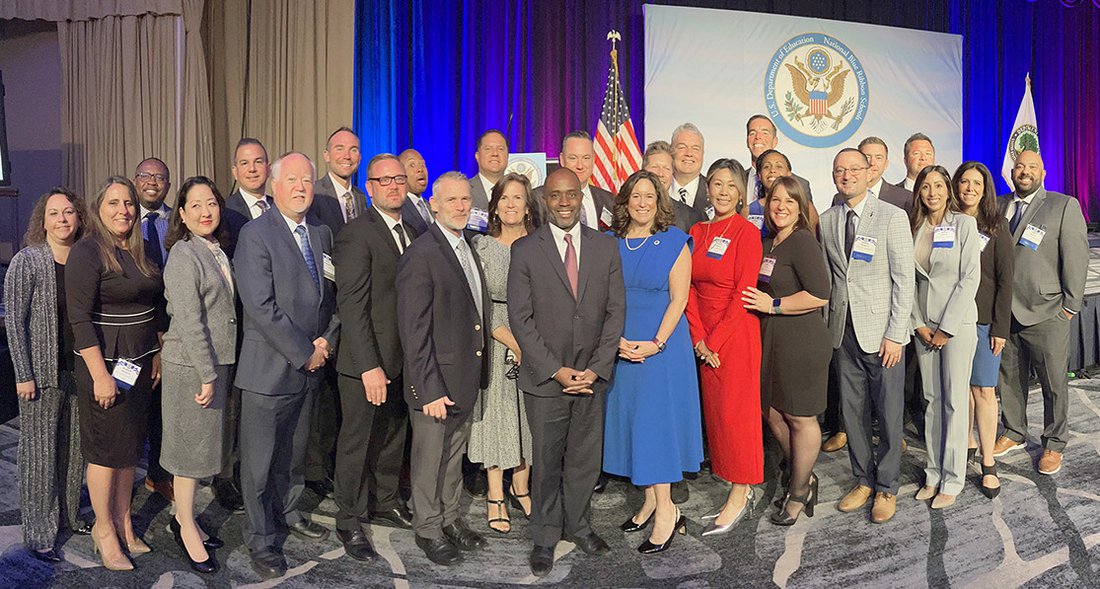
Changing the Landscape: A New Perspective on U.S. Education
In recent years, the world of education has undergone a series of significant shifts, both in elementary classrooms and college campuses across the nation. Discussions around state and federal education policy have sparked lively debates, and many educators, parents, and policymakers are working through tricky parts of reform to deliver improved learning experiences. This op-ed takes a closer look at how funding strategies, curriculum reforms, standardized testing, higher education policies, and digital learning opportunities are shaping our educational future.
Policy Trends in Elementary Education Improvement
Elementary education stands as the cornerstone of learning and skill development; therefore, the policies that govern our public schools come under intense scrutiny. Local school districts, supported by state and federal initiatives, are making efforts to boost funding and rewards for educators. Alongside these efforts, questions regarding how funds are allocated, especially in underfunded areas, remain a heated issue. Educators and parents alike are eager to figure out a path through financial challenges and ensure that schools have what they need for quality programming.
Financial Planning and Funding Reforms for Public Schools
One of the major issues confronting our public school system is the tangled maze of financial planning. Funding strategies, whether state-provided or federally managed, have long been loaded with tension due to unequal distribution. Some districts enjoy super important resources while others struggle to provide basic supplies and technology. These financial inequities drive educators to get into a conversation about the nitty-gritty of effective resource planning.
Key elements that underpin these debates include:
- Efficient allocation of taxpayer money
- Increased investments in teacher training and professional development
- The integration of innovative teaching methods with carrier-sustaining funds
- Equitable access to technology, especially in low-income communities
Officials at varying levels of government are taking steps to streamline funding formulas. Policymakers are increasingly advocating for a more balanced approach that considers local needs while remaining fair and super important for all stakeholders involved.
Classroom Resources: A Closer Look at the Impact on Students
When it comes to ensuring quality education, classroom resources play a critical role. Teachers rely on up-to-date textbooks, smart boards, and increasingly, digital learning tools. However, the actual deployment of these resources is often mired in confusing bits tied to budget constraints, regulatory red tape, and logistical challenges. Educators working on the ground are tasked with steering through these challenges so that every classroom can become a thriving environment for active learning.
Recent initiatives by several states aim to merge technology with personal instruction – fostering a blended learning environment that caters to diverse student needs. This modern approach not only makes education more engaging but also addresses issues of accessibility, particularly in rural and low-income urban areas.
Higher Education Policy: Beyond College Admissions
Higher education today is not just about getting into a prestigious college—it’s about ensuring that once students arrive on campus, they have a stimulating environment to support academic success and career readiness. Federal policies influencing college admissions, tuition fees, and financial aid have grown more prevalent, and they serve as a reminder that higher education is undergoing its own set of twists and turns.
College Admission Policies and the Financial Aid Debate
Admission policies in colleges and universities have seen dramatic overhauls in recent years. There is increased debate over how standardized tests should play a role in admissions, and whether alternative metrics, such as holistic review processes, should be given more weight. As arguments continue to be made, many institutions are looking at ways to figure a path that balances fairness with academic rigor.
Two key aspects of this issue are:
- Simplifying the Financial Aid Process: Complex applications and paperwork often intimidate families, especially those who are already dealing with nerve-racking economic challenges. Recent reforms are attempting to make the process more user-friendly, ensuring that financial aid is accessible without overwhelming applicants.
- Reevaluating Entrance Exams: Colleges are increasingly considering other measures of student potential beyond test scores. The traditional reliance on exams can sometimes mask a student’s true capabilities, ignoring the subtle details of personal growth, character, and resilience.
The impact of these changes is already being felt on campuses across the nation, with a growing number of universities revising their admissions criteria and offering greater scholarships. By doing so, they hope to open doors for a broader spectrum of students and to promote equitable access to higher education.
Community Colleges and the Push for Accessible Education
Community colleges play a super important role in making higher education accessible to a wide range of citizens. They offer flexible learning options and lower tuition rates, making them a key component of bridging the gap between high school and four-year universities. Recent policy shifts have focused on supporting these institutions financially and broadening the scope of their programs.
As community colleges expand their offerings, they are also working through tricky parts in areas such as:
- Adult education and continuing education courses
- Industry partnerships that enhance job-readiness
- Online certification programs to broaden access
- Support for transfer students seeking to complete bachelor’s degrees
These efforts are providing more people with an opportunity to acquire skills that are demanded in today’s fast-paced job market. While challenges remain, there is a growing optimism that community colleges can emerge as a backbone for ongoing educational and career advancement.
Standardized Testing and Curriculum Overhauls: Working Through the Challenges
For decades, standardized testing has been a cornerstone of our education system. However, as learning needs evolve, these assessments have come under fire for not capturing the fine points of a student’s true potential. Teachers and administrators are now sorting out which tests truly measure a student’s capability and which only capture a small slice of their intellectual journey.
Standardized Tests: Measuring Success or Creating Roadblocks?
Critics argue that standardized tests contribute to an intimidating educational environment. Under the pressure of annual testing cycles, both students and teachers find themselves dodging additional nerve-racking expectations. In many cases, these tests offer only a narrow view of student achievement, leaving many of the subtle details and creative aspects overlooked.
In recent reforms, some states have proposed:
- Reducing the frequency of standardized tests to curb stress levels among students.
- Incorporating alternative assessment methods, such as project-based learning and portfolio reviews.
- Training educators to interpret test results in order to create supportive learning plans.
By rethinking the role of these tests, educators hope to transform them from nerve-racking hurdles into tools that genuinely enhance student learning. With a focus on the whole child, education policy is gradually shifting towards a model that values creativity, critical thinking, and practical skills.
Curriculum Reforms: Emphasizing the Nitty-Gritty of Learning
Just as testing procedures are under review, curriculum reforms are also getting a closer look. Curricula that once relied on rote memorization are slowly making way for approaches that emphasize experiential and competency-based learning. However, these shifts often involve complicated pieces of legislative and administrative adjustments at the state and local levels.
When school boards and policymakers set out to update curricula, they must figure a path that accommodates:
- The integration of real-world applications
- Interdisciplinary approaches that blend STEM with the humanities
- Enhanced support for teachers to adopt innovative teaching methods
- The challenge of meeting diverse student needs without overwhelming educators
Critically, these curriculum updates are designed not only to improve test scores but also to prepare students for their future roles in society. By providing lessons that mirror real-life situations, schools help future graduates build resilience and become proactive learners.
Local Challenges and Federal Reforms: Finding Your Path Through the Maze
The relationship between state mandates and federal guidelines is often full of problems, with the finest points of each policy intersecting in complicated ways. Local school districts face their own set of tangled issues when trying to implement broad policy changes. Meanwhile, federal reforms intended to ease the process frequently encounter off-putting bureaucratic hurdles. The gap between policy and practice remains a central point of discussion in education circles.
Bridging the Divide: Local Needs and Federal Expectations
On one hand, local districts want the flexibility necessary to address unique community challenges. On the other hand, federal initiatives are designed to standardize education to meet national benchmarks. This mismatch can lead to an environment that feels tense and overloaded with issues for schools already struggling with resource constraints.
Consider the following table that summarizes some key differences and similarities between federal mandates and local district needs:
| Aspect | Federal Focus | Local District Perspective |
|---|---|---|
| Funding Allocation | Uniform standards and targeted grants | Flexibility to address community-specific issues |
| Curriculum Standards | Standardized tests and benchmarks | Adaptability to local contexts and diverse needs |
| Teacher Support | Professional development initiatives | Hands-on, context-specific training and resources |
| Infrastructure Upgrades | Broad guidelines with some earmarked funds | Individualized plans based on local infrastructure challenges |
This table illustrates that while federal systems work on setting baseline expectations, local districts often need tailor-made solutions. It is essential for policymakers to work together at all levels—federal, state, and local—to establish guidelines that are not only fair but also feasible on the ground.
Legislative Hurdles and Community Involvement
The implementation of federal reforms at the school level has also been met with community scrutiny and a range of public opinions. Legislators argue that new policy measures are essential to promote uniform improvement; however, these measures can sometimes be overwhelming for communities already struggling with limited resources. Finding your path through discussions about legislation often means balancing the small distinctions between policy proposals and real-life applications.
Effective change depends on transparent communication between government representatives and the families and educators who will implement these reforms every day. Town hall meetings and community forums are increasingly being used to address concerns and to clarify how new policies will affect classroom instruction and overall learning environments.
The Digital Transformation: Embracing Technology in the Classroom
One of the most exciting developments in education today is the rise of digital learning platforms. As classrooms move away from traditional chalkboards towards smart devices and online resources, digital transformation is opening up countless new opportunities for students and teachers alike. However, the shift to online instruction is loaded with issues that require careful thought and strategic planning at every level.
Integrating Technology: Prospects and Pitfalls
Digital learning has the potential to revolutionize education by making learning more interactive, personalized, and accessible. With the help of online tools, teachers can create a dynamic classroom environment that caters to different learning speeds and styles. Yet, not all that glitters is gold. In many instances, the process of integrating technology involves tangled issues such as cybersecurity, equitable access, and the training required for educators to effectively use these new tools.
Consider some of the advantages and challenges presented by digital education:
-
Advantages:
- Personalized learning experiences through adaptive software
- Access to a wealth of online resources and interactive simulations
- The capability of connecting students with experts around the globe
-
Challenges:
- Ensuring reliable internet connectivity in all regions
- Maintaining cybersecurity protections for student data
- Providing extensive training for teachers to effectively integrate technology
Integrating digital tools into everyday lessons is not simply about purchasing new software; it requires a complete rethinking of how information is delivered and absorbed. The roles of teachers are evolving from traditional instructors to guides who help students figure a path through the digital maze. Educators are now faced with the challenging task of balancing conventional teaching methods with the innovative possibilities offered by modern technology.
Online Learning Platforms and the Future of Education
The COVID-19 pandemic expedited digital learning initiatives, thrusting online education into the spotlight. Many institutions swiftly shifted to virtual classrooms and, in doing so, uncovered both the immense potential and the nerve-racking glitches of remote education. As we take a closer look at online learning platforms, it becomes clear that their success hinges on several super important factors:
- Robust technical support for students and teachers
- Curriculum designs that adapt to both virtual and hybrid settings
- Flexible policies that incorporate feedback from the education community
- Long-term investment in digital infrastructure
Many experts anticipate that virtual learning will continue to play a critical role in post-pandemic education. The digital revolution in schools is forging ahead, and successful implementation will require collaborative efforts among policy makers, school administrators, and technology providers to ensure that no student is left behind.
Teacher Training and Support: Investing in the Future of Learning
No discussion about educational reform is complete without acknowledging the super important role of educators. High-quality teaching is a decisive factor in whether education reforms succeed or fall short. Yet, teachers often find themselves dealing with overwhelming policy shifts, frequent curriculum changes, and the constant pressure to adapt to new technology. As a result, they need strong, ongoing support and training.
Enhancing Professional Development in a Changing World
Professional development programs are designed to arm teachers with the knowledge and skills required to face both traditional challenges and the new twists and turns brought on by technology and evolving curricula. Many school districts are now sorting out comprehensive training plans that emphasize hands-on workshops, mentoring programs, and continuous learning opportunities.
Key elements of improved teacher training include:
- Regular workshops on the integration of digital tools in everyday classrooms
- Mentorship opportunities to guide new educators through the early stages of their careers
- Collaborative forums for teachers to share best practices and innovative teaching strategies
- Ongoing support in understanding and applying new state and federal guidelines
By investing super important resources into teacher training, educational institutions signal their commitment to quality learning. When teachers feel supported, they are better able to provide a conducive learning atmosphere, even when facing complicated pieces of administrative and policy changes.
Addressing Burnout Through Sustainable Policies
Beyond just training, the issue of teacher burnout has recently come under the spotlight. The constant pressure to meet state mandates, accommodate testing requirements, and integrate new technologies can leave educators feeling drained. Sustainable policies that offer manageable workloads and adequate support systems are essential to alleviate this predicament.
Effective strategies for combatting burnout include:
- Implementing flexible schedules that allow for both in-class and remote planning time
- Providing mental health resources and professional counseling
- Encouraging collaboration among teachers to share strategies and reduce isolation
- Recognizing and rewarding excellence in teaching to boost morale
These measures are not only critical for the well-being of educators but also for the overall quality of student learning. When teachers are well-supported, the learning environment becomes less nerve-racking and more conducive to creative exploration.
Looking Ahead: The Future Path for U.S. Education
As we reflect on the current state of elementary and higher education, it becomes clear that the future is built on a foundation of collaborative policymaking, practical resource allocation, and a genuine commitment to continuous improvement. While many changes are on the horizon, the road ahead is full of both promise and challenges. Stakeholders across the board—from lawmakers and school administrators to teachers and parents—need to work together to figure a path through the mixed landscape of policy and practice.
Embracing a Holistic Approach to Education Reform
A successful educational system does not solely rely on top-down policies. Instead, it benefits from a holistic approach that takes into account the subtle details of both curriculum design and classroom dynamics. Equally important is the involvement of local communities in the reform process. When parents, teachers, and community leaders get into lively discussions about school priorities, the resulting policies are more likely to address the true needs of students.
To achieve this, several key steps are necessary:
- Open channels of communication between policymakers and local communities
- Regular assessments of educational policies to ensure they are having the desired impact
- Flexibility in policy implementation to adapt to local demands and unforeseen challenges
- Commitment to investing in both tangible resources and the human element of education
As these steps are slowly taken on board, reforms will become less intimidating and more reflective of the actual classroom experience. The goal is to create an environment where every child, regardless of background or location, has the opportunity to thrive.
Building Resilient Educational Communities
Resilience in education is about more than just bouncing back from academic setbacks—it is about fostering an atmosphere where students and teachers alike are empowered to succeed. Educational communities that work through tangled issues together are better prepared to handle both internal and external pressures. From small classroom innovations to district-wide reforms, every improvement counts.
Community initiatives that have shown promise include:
- Collaborative projects that involve multiple stakeholders in decision-making
- After-school programs designed to nurture creative and critical thinking skills
- Partnerships with local businesses to create internships and real-world learning experiences
- Parent-teacher associations that actively seek to influence policy at the school level
These grassroots efforts are crucial as they ensure that policy creation and implementation remain grounded in the real challenges faced by students and educators alike.
Conclusion: Steering Through the Future of Education
The journey through today’s educational reforms is filled with tricky parts, tangled issues, and occasional nerve-racking moments. Whether it’s rethinking standardized tests, updating curricula, or finding your way through a maze of funding challenges, the shared goal remains the same: to prepare our students for a rapidly evolving world. The collaborative efforts of federal, state, and local entities serve as a testament to the urgent, ongoing quest for an education system that is both fair and forward-thinking.
By embracing new strategies and leveraging digital innovations, educators are not just coping with change—they are actively crafting a future in which every student has a fair chance at success. The educational reforms taking shape today carry the promise of transforming classrooms into dynamic centers of learning. With the right mix of support and thoughtful policymaking, we can create a system that is comprehensive, balanced, and truly reflective of our nation’s diverse needs.
Though the path ahead might sometimes appear intimidating or off-putting, it is also filled with unprecedented opportunities. The shifts in policy, when viewed in the context of broader societal change, are a positive sign of progress. Parents, teachers, and community leaders all play a super important role in ensuring that these changes lead to real, lasting improvements. Together, they are taking the wheel of a transformative journey that promises to reshape not only education but the future of our society.
In conclusion, education in America is at a pivotal crossroads. The delicate balancing act between meeting federal standards and addressing local needs requires constant collaboration, innovative thinking, and a willingness to learn from both successes and setbacks. As we continue to work on improving this complex system, it is our shared responsibility to ensure that every policy, every reform, and every classroom initiative is geared toward nurturing the next generation of thinkers, creators, and leaders.
It is a time for thoughtful discussion, careful planning, and, most importantly, collective action. The future of education depends on our ability to adapt to new challenges while remaining true to the timeless goal of empowering every student with knowledge, skills, and confidence. Let us move forward with a spirit of collaboration and a commitment to excellence—one step, one classroom, and one policy at a time.
Originally Post From https://www.cde.ca.gov/nr/ne/yr25/yr25rel46.asp
Read more about this topic at
Is it plagiarism if I use chatGPT to rewrite one of my …
GrammarCheck – Check your text online
