Transforming Education for Lifelong Learners
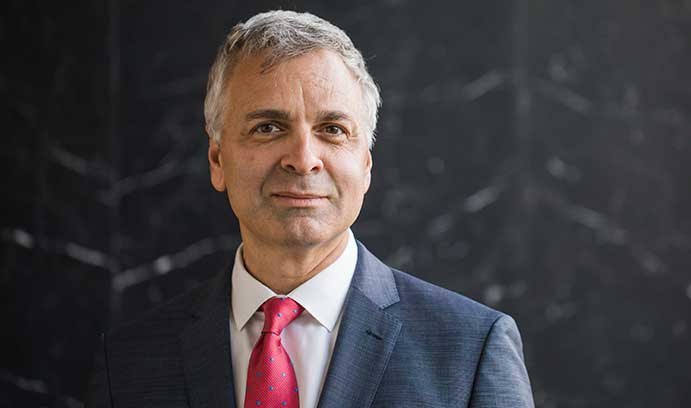
In a bold step forward for both traditional and nontraditional modes of learning, Georgia Tech has announced the appointment of William “Bill” Gaudelli as the inaugural dean of its College of Lifetime Learning. This new chapter rethinks how education is delivered to everyone from K-12 students to working professionals and lifelong learners. With over 35 years steeped in teaching, research, and academic management, Gaudelli’s journey reflects a deep commitment to innovative learning—a commitment that promises to redefine what higher education, professional training, and lifelong learning mean in our increasingly digital and interconnected world.
At a time when educators and policy makers are constantly trying to figure a path through the tricky parts of modern education, Gaudelli’s appointment stands as a testament to Georgia Tech’s ambitions for a more accessible, affordable, and transformative learning environment. The College of Lifetime Learning, established in September 2024, is the institution’s seventh College and its first new college in more than three decades, symbolizing a deliberate move toward broad, inclusive education models designed to tackle the tangled issues of modern learning.
Blending Traditional and Modern Learning Paradigms
In today’s educational landscape, there is a growing need to bridge the gap between traditional classroom instruction and the rapidly expanding avenues offered by digital and experiential learning. Gaudelli, whose career spans classroom teaching at the high school level to leadership in higher education institutions, is uniquely qualified to steer this transformation. His previous roles—ranging from serving as the dean of the College of Education at Lehigh University to chairing departments at Teachers College, Columbia University—demonstrate his ability to connect conventional methods with modern, technology-driven approaches.
Georgia Tech’s College of Lifetime Learning is not just about offering more classes; it is an effort to reframe education through the lens of lifelong learning. The college houses several centers and programs, including the Center for 21st Century Universities and the Center for Education Integrating Science, Mathematics, and Computing. Each of these focal points represents an effort to create learning pathways that continue well beyond the walls of conventional educational institutions.
Building Blocks of Lifelong Learning Programs
There are several key elements shaping the future of education at Georgia Tech. Gaudelli’s vision involves combining cutting-edge research with dynamic, practical learning opportunities, ensuring that students and professionals alike have access to programs that are both flexible and robust. The following bullet list highlights some of the super important facets of this approach:
- Hybrid learning models combining face-to-face instruction with online courses
- Industry partnerships that bridge academic theory with hands-on professional practices
- Programs aimed at reskilling and upskilling, tailoring education to the needs of a fast-changing job market
- Innovative research centers dedicated to tackling the fine points of integrating science, mathematics, computing, and humanities
These initiatives are not without their challenges, but Gaudelli’s extensive background in educational innovation provides a strong foundation for tackling the confusing bits that often accompany systemic change. His leadership is expected to ease the tension that sometimes arises when institutions are on the edge of a major transformation.
A Legacy of Educational Innovation
Gaudelli’s career is distinguished by a series of transformative contributions to education. Starting as a classroom teacher in New Jersey, his early career offering a grassroots understanding of today’s educational demands, Gaudelli advanced by taking on leadership roles that required an insightful look into the subtle parts of curriculum development and academic administration.
At Lehigh University, where he served as both dean and senior vice provost for Educational Innovation and Assessment, Gaudelli directed efforts to integrate traditional teaching with modern technologies. His work at Teachers College, Columbia University further underlined his drive to enhance teacher competence through international perspectives—programs that have become models for global citizenship education. His scholarly work, including over 85 published works and several influential books, delves into the practical little twists of understanding education on a global scale.
Career Milestones in a Snapshot
The following table lays out some of the key milestones in Gaudelli’s career, showing a progression from grassroots educational roles to high-level administrative positions:
| Stage | Position | Key Achievement |
|---|---|---|
| Early Career | High School Social Studies Teacher | Laid the groundwork for practical, real-world learning |
| Mid Career | Chair, Department of Arts and Humanities, Teachers College | Directed program development emphasizing global perspectives |
| Recent Career | Senior Vice Provost for Educational Innovation at Lehigh University | Advanced initiatives linking traditional and nontraditional learning pathways |
| Current Role | Dean, College of Lifetime Learning at Georgia Tech | Overseeing the launch of transformative lifelong learning programs |
This table underscores the fine shades between different phases of his career, highlighting how each step has added a critical piece to his understanding of the evolving educational landscape.
Challenges and Opportunities in Modern Education
Modern education faces a myriad of tricky parts that require careful handling. Among these are the interconnected challenges of staying ahead of rapid technological advancements, meeting the diverse needs of learners, and ensuring that educational reforms are inclusive and equitable. Gaudelli’s appointment comes at a time when the community must figure a path through several overlapping issues—a task that is both exciting and, at times, nerve-racking.
The transformation of the educational model at Georgia Tech is built on addressing the following tangled issues:
- Balancing the benefits of digital technology with the need for personal, face-to-face interaction
- Ensuring every student, whether in a traditional school or an online course, has access to high-quality teaching
- Integrating evolving job market needs with current educational programs
- Creating dynamic learning environments that are flexible, inclusive, and up-to-date with industry trends
To sort out these challenges, leaders must get into the details of program design and implementation, while also understanding the broader shifts in state and federal education policy. Gaudelli’s breadth of experience gives him a unique perspective on these issues, making his appointment particularly promising for the future of the College of Lifetime Learning.
Integrating Technology in Lifelong Learning
One of the most exciting aspects of Georgia Tech’s new College is its commitment to integrating technology into the educational experience. As the world steadily moves towards more digital learning environments, establishing a curriculum that effectively utilizes technology remains a super important goal. Gaudelli has been at the forefront of blending digital technologies with traditional learning methods, ensuring that both teachers and students can reap the benefits.
Programs like the Global Competence Certificate, which he co-founded in collaboration with renowned partners such as World Savvy and the Asia Society, epitomize the evolution of learning in a digital age. By leveraging digital platforms to deliver interactive and adaptive learning experiences, the program is a model for how technology can magnify educational reach. Such initiatives are essential in a world where the pace of change can sometimes overwhelm traditional systems, and innovative leaders like Gaudelli are critical in taming these intimidating aspects.
Embracing Digital Tools in Higher Ed
Modern digital tools play a super important role in sustaining the momentum of lifelong learning initiatives. Here are some ways technology is set to enhance the College of Lifetime Learning:
- Interactive Learning Platforms: Platforms that engage learners in hands-on experiences, stimulating both creative and critical thinking.
- Virtual Collaboration Spaces: Enabling real-time discussion and project collaboration among diverse groups of learners.
- Data-Driven Learning: Utilizing analytics to personalize educational journeys, making it possible to address the subtle parts and fine details of individual strengths and weaknesses.
- Blended Learning Models: Seamlessly merging online and in-person instruction for a versatile educational experience.
These initiatives reflect a concerted effort to hash out the little twists and turns that can make a difference in a student’s academic journey. In essence, technology is not merely a tool but an enabler that makes education accessible to all, whether one is a full-time professional or a lifelong enthusiast of learning.
The Broader Impact on State and Federal Education Policy
The establishment of the College of Lifetime Learning is set against a backdrop of ongoing debates and shifts within state and federal education policy. Over the past several years, policy makers have been grappling with how best to fund and structure education in ways that reflect the demands of the modern world. With Gaudelli’s new role, there is an opportunity to create models that influence public policy at various levels.
Policymakers are increasingly aware that traditional boundaries between K-12, higher education, and lifelong learning are becoming blurred. Exercises in reimagining these categories have led to discussions about:
- Funding Reforms: Shifting resources to support nontraditional learning paths, ensuring that even those outside conventional enrolling systems have access to quality education.
- Accreditation Models: Developing newer standards that recognize innovative learning methodologies and digital credentials.
- Diversity and Inclusion: Ensuring that educational reforms cater to a broad spectrum of learners by addressing the hidden complexities and subtle details of equitable access.
- Workforce Development: Aligning academic programs more closely with evolving job market demands and industry-specific needs.
Initiatives such as these can carve out lasting, positive legacies, altering the way state and federal policy respond to the needs of a diversified learning population. Gaudelli’s deep insight into the fine points of policy and administrative leadership is expected to drive conversations that may eventually influence legislation and open up more innovative pathways for learner engagement at the national level.
Enhancing Faculty Hiring and Academic Development
The process of faculty hiring and academic development takes on new importance when an institution is embarking on such a significant transformation. With the College of Lifetime Learning poised to expand rapidly, hiring faculty members who are flexible, tech-savvy, and culturally competent is a task that is both intricate and loaded with challenges.
During the search for his replacement as a traditional academic leader, the search committee—chaired by the Scheller College of Business’ Dean Anuj Mehrotra—received a plethora of applications from world-class candidates. Their diligence in identifying Gaudelli reflects the institution’s commitment to leveling up its academic offerings by ensuring that every new hire aligns with the vision of transformative, accessible learning.
Key Considerations in Faculty Recruitment
To ensure that the expansion of the College of Lifetime Learning is both sustainable and dynamic, there are a few key elements in the faculty recruitment process that must be considered:
- Experience with hybrid and digital teaching methods
- Commitment to continuous professional growth
- Ability to collaborate across multiple disciplines
- Dedication to diverse, student-centered pedagogies
These considerations are crucial for building an academic community that is well-equipped to deal with the demanding twists and turns of modern educational reform. In this way, faculty hiring becomes not just about filling positions, but about constructing a forward-thinking educational ecosystem that addresses both the immediate challenges and the long-term goals of the institution.
Addressing the Personal and Professional Impact on Students and Professionals
It is essential to recognize that the benefits of an innovative educational model extend beyond institutional reforms; they have a direct, meaningful impact on the lives of students and professionals who rely on education to drive personal and career growth. Gaudelli’s appointment comes at a time when continuous learning is considered not merely an option but a necessary component of personal development.
For many, the College of Lifetime Learning represents a beacon for accessible and affordable education. In a world where the pace of technological and economic change can feel overwhelming, reimagined learning pathways can help individuals steer through the maze of modern opportunities and challenges. Gaudelli’s belief—that learning remains an ongoing process throughout life—underscores the necessity of adapting education to meet the rhythm of constant change.
The college’s focus on reskilling and upskilling plays a key role in helping professionals stay ahead. With an ever-changing job market, these programs are designed to empower individuals to take control of their professional journey by acquiring new skills that are directly applicable to their careers. This ensures that education is not only an academic exercise but also a practical investment in one’s future.
Expanding Educational Reach and Community Impact
Under Gaudelli’s leadership, the College of Lifetime Learning is set to contribute significantly to Georgia Tech’s strategic goal of doubling its educational reach by 2030. This ambitious target is indicative of a broader initiative to make learning opportunities available to an increasingly diverse and widespread community. By aligning innovative programs with creative recruitment and robust community engagement strategies, Georgia Tech is poised to not only expand access to education, but also to enrich the learning experience of every individual, regardless of their stage in life.
The community impact of such an initiative cannot be understated. A more inclusive educational model that bridges the gap between varying levels of education and professional experience is likely to inspire a cultural shift both on campus and beyond. In engaging with local businesses, public schools, and nontraditional learners, the college is crafting a ripple effect that may extend to statewide and even national educational reforms.
Community Engagement Strategies
Some of the strategies that are being considered to broaden community impact include:
- Partnerships with K-12 Institutions: Collaborating with local schools to introduce innovative teaching methods at an early age.
- Industry Collaborations: Partnering with businesses to tailor learning modules that address real-world challenges.
- Community Workshops and Forums: Organizing events that allow different groups to interact, share ideas, and learn from each other.
- Online Learning Communities: Creating platforms where learners of all ages can connect and support each other in their educational journeys.
These strategies are designed not only to extend the educational reach but also to instill the values of community and continuous learning. As the college works through the subtle parts of these plans, the underlying goal remains to democratize education and make quality learning accessible to everyone.
Reflecting on the Role of Leadership in Educational Reform
Leadership in educational reform requires a balance of idealism and pragmatism—a set of skills well embodied by Gaudelli. His distinguished career highlights a commitment to testing new ideas and integrating the best practices of both the education and technology sectors. While the task of steering such an expansive initiative comes with its intimidating moments, his prior experiences suggest he is more than capable of managing your way through these challenging times.
Effective leadership in this context is as much about inspiring trust as it is about implementing concrete policies. Gaudelli’s tenure as an educator and administrator has involved addressing not only the overt challenges of curriculum reform but also the hidden complexities and subtle details that can often determine whether a new program succeeds or stalls. His comprehensive approach to leadership—marked by careful analysis and proactive outreach—serves as a model for administrators everywhere who face the tricky parts of modernizing traditional educational structures.
Different stakeholders, from students and faculty to policymakers and industry leaders, are watching closely as Georgia Tech embarks on this new educational journey. Gaudelli’s hands-on experience and commitment to innovative learning approaches make his leadership crucial at this juncture, where every decision taken will affect the larger network of learners and educators. His personal reflections on the role of lifelong learning remind us that education is an endless journey—one that is both a personal calling and a public commitment.
Looking Ahead: The Future of Lifelong Learning at Georgia Tech
As Georgia Tech’s College of Lifetime Learning begins to take shape, the path forward is laden with both tremendous potential and a few nerve-racking challenges. In the face of rapid technological change and shifting educational demands, the vision to expand opportunities for all learners is a timely and promising endeavor. With Gaudelli at the helm, the college is set to become a hub for cutting-edge research and practical learning programs that are in tune with the twisting turns of the modern world.
Looking ahead, several key areas warrant focused attention to ensure the college meets its goals:
- Innovative Curriculum Development: Constantly reworking curricula to incorporate the latest digital tools while maintaining strong theoretical foundations.
- Faculty and Staff Training: Investing in professional development programs designed to equip educators with both tech-savvy skills and flexible teaching strategies.
- Student Support and Engagement: Implementing mentoring programs, interactive learning platforms, and real-time feedback mechanisms to enhance the student experience.
- Community and Industry Partnerships: Deepening collaborations with industry experts and local organizations to keep course content fresh and relevant.
Each of these areas includes its own set of small distinctions and complicated pieces, making the journey ahead a continuous process of learning and adaptation. However, with the steadfast vision of leaders like Gaudelli, these challenges can be transformed into stepping stones towards a more inclusive, engaging, and future-proof model of education.
Conclusion: A New Chapter in Educational Excellence
In reflecting on William Gaudelli’s appointment as the inaugural dean of the College of Lifetime Learning, it is evident that the era of lifelong learning is not just a response to current demands but also an investment in a future where education remains a continuous, evolving journey. Gaudelli’s career, marked by significant contributions to both traditional and modern education systems, positions him as a beacon for those who believe that learning is a blend of timeless principles and dynamic innovation.
The announcement is more than a mere administrative update; it signifies a renewed commitment to making quality education accessible to every individual. Whether it is through innovative digital platforms, empathetic faculty hiring practices, or robust community engagement strategies, Georgia Tech’s latest initiative is geared toward loosening the restrictive bonds of outdated educational models and replacing them with a more inclusive, adaptive, and enriching ecosystem.
As we step into this new chapter, educators, policymakers, and learners alike will have the opportunity to ride the wave of transformation. By embracing both the tried-and-true methods of past generations and the promising opportunities of the digital age, the College of Lifetime Learning is set to chart a course that is both challenging and incredibly rewarding.
Ultimately, the journey ahead is one of continuous reinvention—a path laden with tricky parts, tangled issues, and subtle details that require careful thought and persistent effort. Yet, with visionary leadership and a collective commitment to excellence, this initiative has the promise to not only transform careers and communities but also to redefine what it means to be a lifelong learner in the 21st century.
For those eager to take a closer look into the transformative nature of lifelong learning and the many facets that come along the ride, Georgia Tech’s College of Lifetime Learning offers an insightful model for the future of education.
The integration of modern technology, the commitment to policy reform, and the establishment of groundbreaking academic programs together forge a path that many institutions around the country may soon emulate. As we look to the future, it is super important to remember that learning is an ongoing process of living, growing, and evolving—a process that is as personal as it is collective, as challenging as it is rewarding.
William Gaudelli’s arrival at Georgia Tech marks the beginning of an ambitious journey. His decades of experience, enthusiasm for discovery, and focus on problem-solving are bound to inspire a generation of educators and learners, who are ready to dig into the heart of educational transformation. His leadership not only promises to steer the college through the maze of modern educational challenges but also exemplifies what it means to embrace change for the better.
As stakeholders across various levels—state, federal, and institutional—observe these innovative measures in real time, the lessons learned here might well influence future educational policies and practices nationwide. The College of Lifetime Learning is poised to be a game changer in the arena of continuous education, broadening the horizons for everyone from school children to senior professionals seeking to update their skill sets.
This bold initiative invites us all to figure a path through the intimidating challenges of today’s world by embracing education as a lifelong companion—a process that is dynamic, inclusive, and fundamentally transformative. In celebrating Gaudelli’s appointment and the launch of this visionary college, we acknowledge that our future will be defined not by the limitations of earlier educational models, but by the creative sparks that arise when we commit ourselves to ongoing learning and improvement.
As we continue to take the wheel in our personal and professional lives, the story of Georgia Tech’s College of Lifetime Learning—and indeed of William Gaudelli’s remarkable career—stands as a reminder of the endless possibilities that arise when we dare to innovate. The intertwining of academic rigor with the flexibility of nontraditional learning pathways paves the way for an educational model that can adapt to the fast-moving tide of modern society.
In closing, the enthusiasm surrounding the new dean’s appointment and the college’s launch serves as a hopeful beacon for everyone impacted by education—from students navigating the twists and turns of new curriculum models to professionals seeking to adapt to sudden changes in the workplace. Each step taken toward reimagining our approach to learning is a leap toward a future where education is not just a phase of life, but an essential, ongoing journey that enriches every moment of our existence.
Georgia Tech’s ambitious commitment to doubling its educational reach by 2030 is more than an institutional target—it is a call to arms for lifelong learners everywhere. It challenges us to embrace change, to figure a path through the complicated pieces of our present, and to strive for an educational future that is as comprehensive, dynamic, and accessible as possible. Through this all-encompassing transformation, we are reminded that education is never static but rather a living, breathing entity that must evolve with its people.
With leaders like Gaudelli at the helm and institutions like Georgia Tech paving the way, the future of education is poised to be a collaborative, innovative, and inspiring saga—a saga where every learner plays an integral part, every educator is a catalyst for change, and every policy is crafted with the end goal of making lifelong learning a reality for all.
Originally Post From https://news.gatech.edu/news/2025/06/18/william-gaudelli-named-inaugural-dean-georgia-techs-college-lifetime-learning
Read more about this topic at
Lifelong Learning: What It Is and Why It Matters | JWU Online
Lifelong Learning: Meaning, Importance, Benefits & …