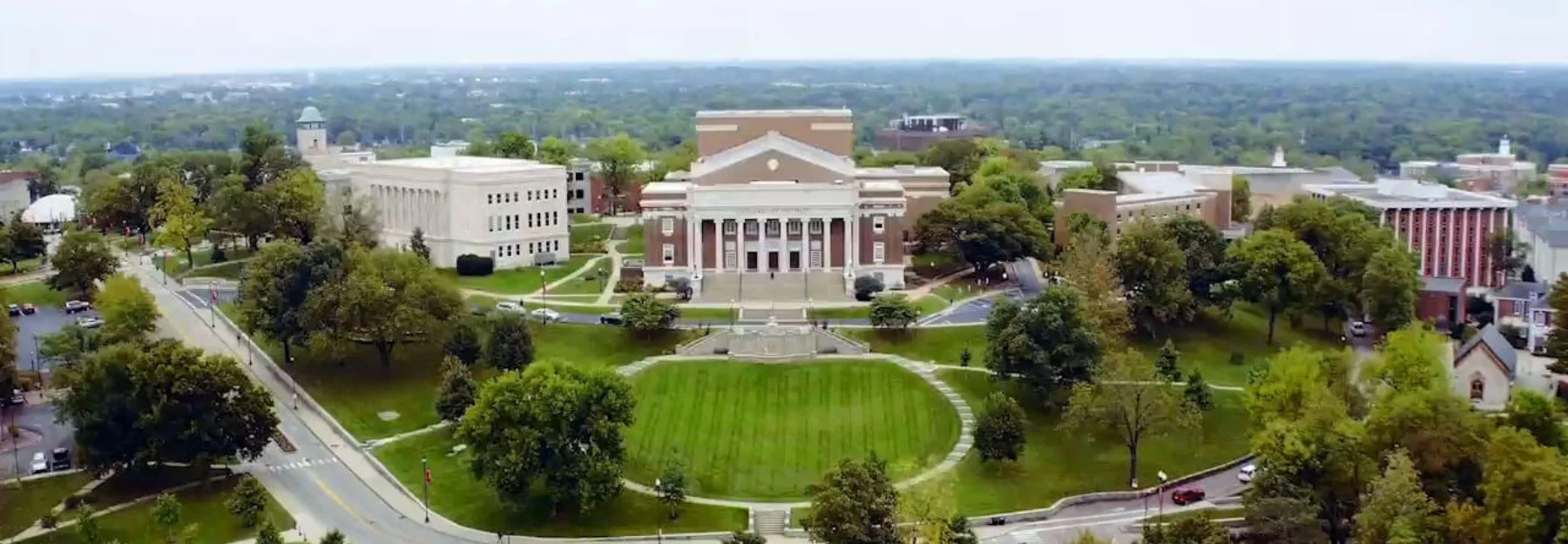
Western Kentucky University: A Microcosm of Modern Higher Education
Western Kentucky University (WKU) stands as a vibrant example of how higher education institutions can blend culture, academic rigor, and community engagement into one dynamic campus. As universities continue to shape the future of learning, WKU’s initiatives—from comprehensive academic programs to innovative student life activities—offer valuable insights into the evolving landscape of American higher education. This opinion editorial examines WKU’s multifaceted approach and explores the key areas where the university not only meets but exceeds expectations.
Exploring the Spectrum of Academic Programs at WKU
At the heart of WKU’s appeal is its wide selection of majors and academic opportunities. The university’s robust curriculum is designed to address the tricky parts of academic pursuits by integrating practical skills and theoretical knowledge. By offering programs that cut across various disciplines, WKU has created an educational environment where students can explore fields like science, business, engineering, education, and the arts.
For many prospective students, choosing the right major can feel a bit overwhelming, as they try to figure a path in the dizzying maze of options. WKU’s academic advisors are dedicated to helping students get into the nitty-gritty of their interests—breaking down the subtle parts of course requirements, internship opportunities, and career paths. The institution’s commitment to personalized academic support makes it easier for students to adjust, regardless of the tangled issues that often arise in the course selection process.
The university also emphasizes interdisciplinary studies, enabling students to combine interests across fields and develop a more rounded academic profile. This approach encourages a spirit of curiosity and critical thinking, qualities that are essential as society grapples with evolving career demands and global challenges.
Understanding Admissions: Simplifying the Tricky Bits
The admissions process is one of the most nerve-racking aspects of applying to college, filled with confusing bits and subtle details that can intimidate even the most prepared applicants. WKU has worked hard to streamline this process by providing clear guidelines and accessible information for prospective students. From initial inquiries to final application submissions, the university’s online portal makes it easier for applicants to figure a path through what might otherwise be a daunting maze.
One of the key strengths of WKU’s approach to admissions is transparent communication. Instead of letting the process be loaded with issues, the institution offers step-by-step guidance and helpful resources. Some of the efforts in this area include:
- Detailed online FAQs that break down each step in plain language
- Personalized support from admissions counselors who understand the twists and turns of college entry
- Interactive webinars and virtual tours that allow applicants to get a closer look at campus life
By taking these steps, WKU demonstrates that the application process does not have to be intimidating; rather, it can be an opportunity for prospective students to explore their future academic home with confidence.
Financial Aid and Scholarships: Making Higher Education Accessible
One of the most critical aspects of higher education today is making college affordable. WKU recognizes that financial barriers can be both overwhelming and off-putting, particularly for first-generation college students or those from low-income families. To address these challenges, the university has dedicated significant resources to provide a range of financial aid options and scholarship programs.
Prospective students can access comprehensive tools online that help digest the fine points of financial aid, including:
- Step-by-step guides on applying for federal and state aid
- Interactive calculators to plan for the total cost of attendance
- A detailed overview of scholarship programs available for diverse academic interests
Moreover, WKU’s financial aid office works to simplify the sometimes complicated pieces of applying for aid by hosting virtual workshops and one-on-one counseling sessions. This commitment to helping students steer through the tangled issues of funding higher education is a key factor in broadening access and diversity on campus.
Student Life and Campus Experience: A Community Beyond the Classroom
Education is not just about sitting in lecture halls; it’s also about engaging in a community that nurtures personal growth and lifelong friendships. WKU’s campus life is a prime example of how universities can create an enriching social experience outside of the academic sphere. From athletics to student organizations, cultural events, and community service, there is something for every student to dive in and enjoy.
The campus is thoughtfully designed to cater to the diverse needs of its student body. For instance, the University offers a variety of housing options ranging from on-campus dormitories to off-campus apartments, ensuring that every student finds a comfortable living situation. Campus safety is another key area where WKU has invested considerable effort. With modern security protocols and comprehensive emergency response systems, students and their families can feel secure knowing that their well-being is always a priority.
To further illustrate the active student life at WKU, consider the following highlights:
- Athletics and Recreational Activities: Opportunities abound for students to participate in competitive sports, join intramural teams, or simply enjoy recreational activities on campus.
- Student Organizations: Whether your passion lies in cultural affairs, environmental initiatives, or professional development, there are clubs and organizations designed to help you work through the fine details of your interests.
- Campus Events and Festivals: Regular academic and cultural events enhance the educational experience and encourage cross-disciplinary dialogue.
Each of these elements contributes to a holistic educational experience, ensuring that students graduate not only with knowledge but also with a strong sense of community and a wealth of practical, life-long skills.
Campus Tours and Physical Engagement: Physical Visits as Learning Opportunities
In today’s digital age, the opportunity to visit a campus can provide prospective students with invaluable insights into a university’s culture and academic environment. WKU offers several options that make it easy for individuals and families to explore the campus. These campus tours are carefully designed to help potential students see and feel the unique WKU atmosphere.
Here are some key aspects of WKU’s campus tours that highlight the importance of physical engagement:
| Aspect | Description |
|---|---|
| Guided Tours | Personalized tours led by knowledgeable guides who share insights about academic programs, student life, and campus traditions. |
| Virtual Resources | Online platforms that complement the tour experience with interactive maps and video guides for a pre-visit orientation. |
| Specialized Sessions | Opportunities for prospective students to attend sample classes or meet faculty members to get a closer look at academic offerings. |
The hands-on experience of a campus tour often clears up any confusing bits about what life will be like at the university, allowing future students to work through any lingering uncertainties. This emphasis on tangible experience reinforces WKU’s commitment to community-building and transparent communication during the admission process.
Residential Life and Housing Options: Creating a Home Away from Home
One of the most nerve-racking decisions for students and their families is choosing the right housing option. At WKU, the administration understands that a supportive living environment is essential for academic and personal success. The university provides a spectrum of housing options, each designed to foster community spirit and ensure safety. Whether it’s the convenience of on-campus dormitories or the independence of off-campus apartments, every student has the ability to find a living situation that aligns with their personal needs and study habits.
Key highlights of the housing options at WKU include:
- Modern On-Campus Residences: Equipped with contemporary amenities and study-friendly spaces.
- Diverse Community Living: Opportunities to connect with peers through living-learning communities and themed residence halls.
- Support Services: On-hand campus security, resident advisors, and wellness programs to ease the transition to college life.
This holistic approach to student housing not only addresses the practical aspects of university life but also contributes to the overall well-being of the student community. By offering a range of secure and comfortable living arrangements, WKU helps eliminate many of the nerve-racking concerns associated with transitioning to independent living.
Campus Safety and Transportation: Ensuring a Secure and Accessible Environment
Campus safety remains a critical concern for any higher education institution. WKU has developed a comprehensive approach to campus security that combines modern technology, well-trained professionals, and a commitment to transparency. With a range of safety initiatives and emergency protocols in place, care is taken to ensure that both students and staff can focus on their work in a secure setting.
Transportation—both on and off campus—also plays a vital role in enhancing the overall educational experience. WKU has worked to create an accessible campus environment, one where students can easily move between classes, residence halls, and recreational areas. This focus on accessible transportation is evident in the following efforts:
- Safety Enhancements: Continued investment in safety measures such as surveillance systems, emergency call stations, and campus patrols.
- Efficient Transportation: Campus shuttles and designated bike lanes make it easy for students and staff to get around.
- Community Outreach: Collaboration with local authorities to ensure that surrounding areas remain safe and accessible, even during off-campus hours.
These ease-of-access initiatives reflect WKU’s understanding that a secure, well-connected campus lays the groundwork for a productive academic and personal experience. By addressing both the obvious and subtle parts of transportation and security, the university not only meets but exceeds the expectations of its community.
Broadening Horizons: Special Programs and Community Initiatives
WKU’s commitment to excellence extends beyond traditional academics and into the realm of community engagement and innovative programs. Recent events, such as the Pathways to Smiles Oral Health Careers Camp and the Progressive Agriculture Foundation (PAF) Safety Days®, underscore the university’s dedication to offering unique, hands-on learning experiences that resonate with both local and broader communities.
For example, initiatives like the Initiative on Forensics, which saw WKU competing at the American Debate Association sponsored tournament, highlight a strong emphasis on research, competitive practices, and public speaking—all of which equip students with the skills needed to thrive in today’s multifaceted world.
Other notable community initiatives include:
- Substance Use Disorder Certificate Program: Designed to address the state’s pressing health concerns, this new certificate prepares individuals for impactful careers in counseling and treatment.
- Environmental Stewardship: WKU has been recognized for its eco-friendly practices, landing a spot in the “Guide to Green Colleges” for the 16th successive year—a testament to its super important commitment to sustainability.
- Outreach Programs: High school camps and local educational events work to spark early interest in disciplines like dental health and agricultural safety, providing a foundation for future academic pursuits.
These programs exemplify WKU’s forward-thinking approach to education. By partnering with community organizations and local authorities, the university helps students work through the practical bits of their academic and professional lives while contributing positively to regional development.
Alumni Engagement and Public Relations: Strengthening a Lifelong Network
The journey at WKU does not end at graduation. A robust alumni network and a strong commitment to public relations amplify the university’s influence long after students have left campus. WKU regularly features alumni success stories that serve as inspiration for current students and a testament to the transformative power of higher education.
Alumni engagement is managed through various channels, such as:
- Alumni Associations and Events: Regular reunions, networking events, and donation drives help foster lasting relationships.
- Public Recognition Programs: Awards and honors for both alumni and faculty spotlight the hidden complexities of excellence in education and community service.
- Online Portals and Newsletters: These tools provide ongoing updates about university developments and opportunities for continued professional growth.
By nurturing these relationships, WKU not only builds a strong, supportive community but also creates a powerful feedback loop that benefits current students. This approach is an excellent illustration of how higher education institutions can create sustainable networks that extend well beyond the campus boundaries.
Media Relations and the Role of Communication in Education
The exchange of ideas and the framing of public discourse are critical in an era where rapid information dissemination can both propel and challenge academic institutions. WKU’s media relations play a crucial role in this exchange, ensuring that accurate and timely information reaches not only students and faculty but also the broader public.
Effective communication helps clarify many of the nerve-racking moments that arise from academic decisions and campus policies. This aspect is managed through:
- Official Statements and Regular Updates: The university’s media team works diligently to keep the community informed about campus developments, emergency situations, and academic achievements.
- Social Media Engagement: Platforms like Twitter, Facebook, and Instagram help foster a sense of immediacy, breaking down the barriers that often complicate public understanding of university policies.
- Collaborative Storytelling: Featuring voices from diverse stakeholder groups ensures that the narrative remains balanced and true to the university’s core values.
Thorough and transparent communication not only keeps the campus connected but also builds trust within the community. This openness is key in managing your way through the short-term challenges and long-term vision that shape the modern higher education experience.
Reflecting on the Future of Higher Education in an Ever-Changing World
As societal needs evolve and technology reshapes the learning process, institutions like WKU are continually adapting to meet the future. Balancing tradition and innovation, WKU sets an example of how higher education can integrate digital transformation with hands-on community engagement.
Looking ahead, several trends appear poised to influence higher education significantly:
- Integration of Technology: Online platforms and innovative teaching methods will continue to complement in-person learning, offering more robust digital tools for academic achievement.
- Focus on Sustainability: With environmental awareness becoming an essential part of public policy and higher education, eco-friendly practices will likely become standard across campuses nationwide.
- Customized Learning Paths: As the job market changes rapidly, educational institutions may develop more flexible programs that allow students to blend learning with practical work experiences and career training.
- Increased Community Partnerships: Collaborative efforts between universities, local organizations, and industry will help to ensure that academic programs remain relevant to real-world challenges.
This evolving educational framework requires that universities stay open to change and proactive in addressing the many small distinctions that influence student success. WKU’s commitment to comprehensive academic offerings, safe campus environments, and active community engagement highlights a model that many institutions will aspire to follow in the coming years.
Working Through the Many Pieces of a Modern Educational Experience
On the whole, WKU provides a clear example of how a university can function as a multi-dimensional ecosystem. From the application process and financial aid to campus life and alumni engagement, each piece of the WKU experience is thoughtfully designed to support student success and community development.
The key takeaway is that no single aspect of the educational experience exists in isolation. Every component—from the fine points of academic advising to the practical bits of campus safety and transportation—plays a part in ensuring that each student is well-prepared to tackle the challenges of a competitive and ever-changing world.
For those considering further education, the WKU model emphasizes that higher education need not be an intimidating leap into the unknown. By providing accessible resources, comprehensive support, and a nurturing community atmosphere, institutions like WKU arm students with the tools necessary to make informed decisions and find their path amidst the tangled issues of modern academics.
Concluding Thoughts: An Institution Steeped in Opportunity and Community
Western Kentucky University offers more than just degree programs—it represents a well-rounded educational community dedicated to fostering growth, sustainability, and long-term success. While the process of applying, funding, and adjusting to university life may come with its own set of nerve-racking twists and turns, WKU’s steady commitment to clarity and comprehensive support sets it apart from many other institutions.
With strategic investments in academic excellence, student life, and community-based programs, WKU not only meets the current needs of higher education but also prepares its students to work through the subtle parts of the future. By embracing innovative teaching methods, providing robust support systems, and engaging actively with the community, the university ensures that its graduates are set to thrive in an ever-evolving, interconnected world.
Ultimately, the WKU experience underscores an essential truth about modern higher education: success in academia is best achieved when institutions commit to addressing both the obvious and the hidden complexities of learning and living. Whether you are a prospective student, a current academic, or an engaged community member, the WKU model offers valuable insights into how education can be inclusive, forward-thinking, and deeply supportive—a true microcosm of the opportunities available when higher education meets community spirit.
Originally Post From https://www.wku.edu/news/articles/index.php?view=article&articleid=12754
Read more about this topic at
Student Hub – Northeastern University
Hub News – The Hubs – Student Hub – Northeastern University

